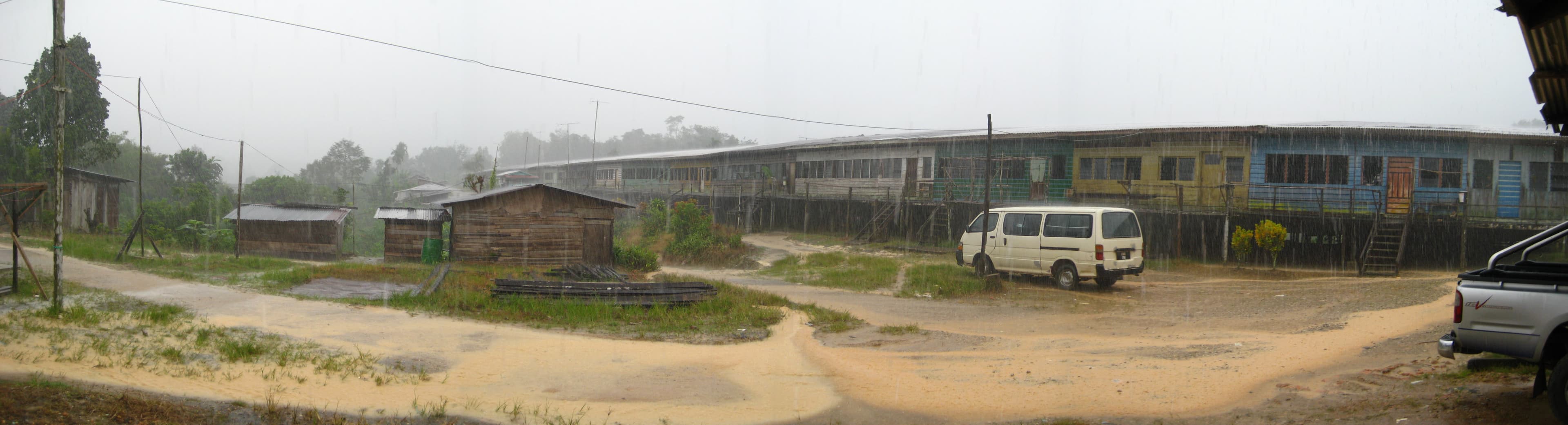
Search 'Iban longhouse Sarawak' and most of what comes back is history — but visiting one today is a completely doable day trip or overnight stay, and it isn't a museum piece. Iban longhouses across Sarawak are lived-in homes, and the ones set up to receive visitors do so on their own terms, through registered tour operators and homestay programmes rather than open drop-ins. Knowing what to expect before you go — the trip in, the etiquette on arrival, what's actually on offer — makes the difference between an awkward detour and one of the best days you'll have in Sarawak.
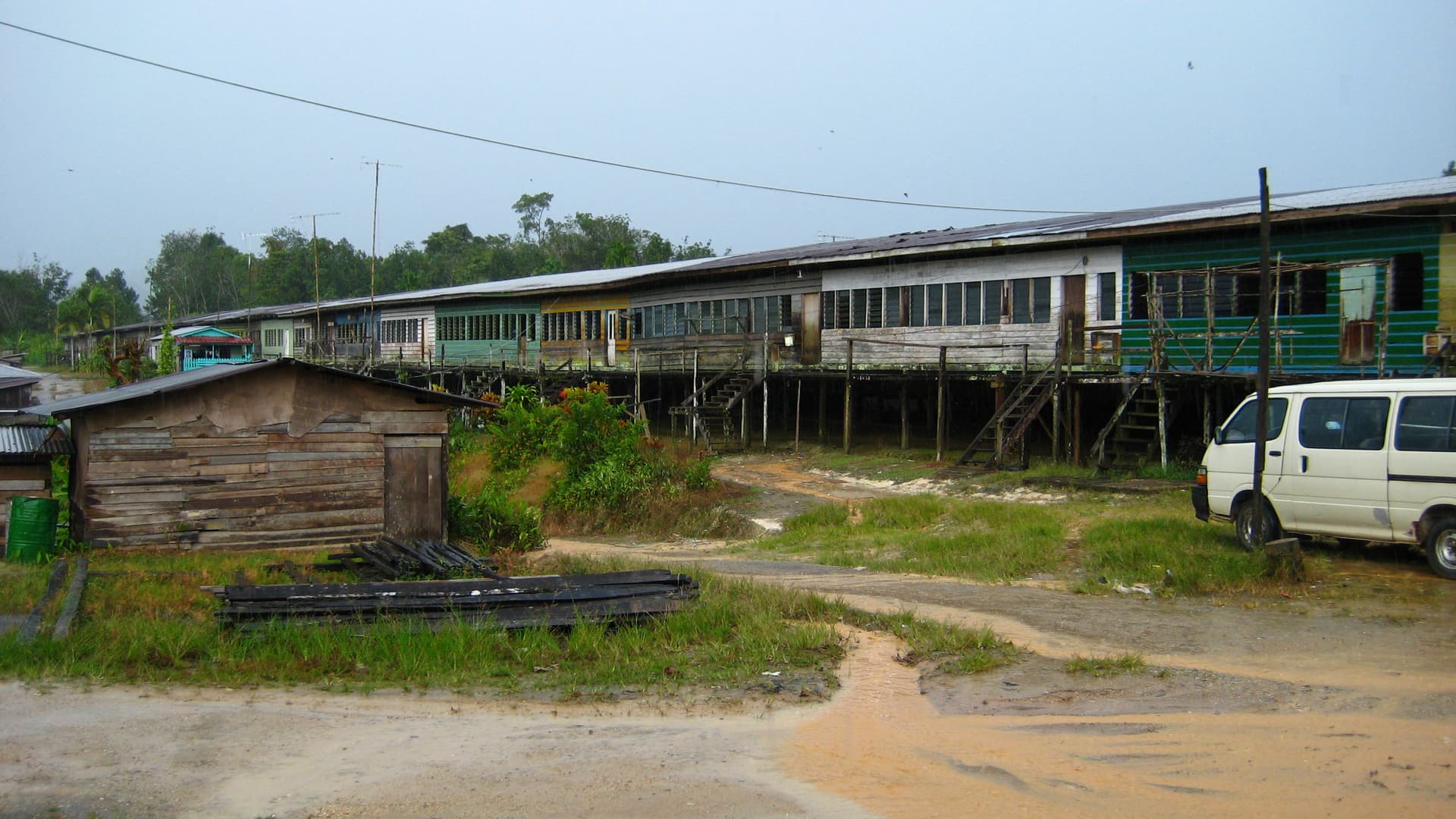
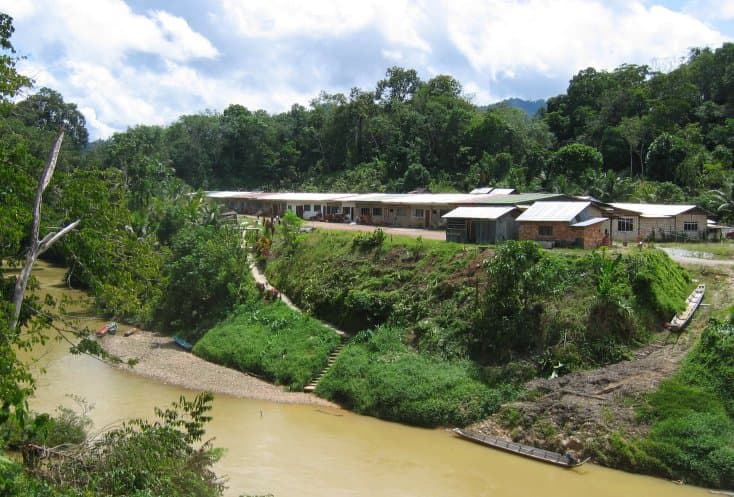
Most first-time visitors reach a longhouse from Kuching, heading out to the Batang Ai, Skrang or Lemanak river systems a few hours southeast of the city, where day-tour operators run regular trips combining a road transfer with a longboat ride upriver. Further afield, longhouses along the Rejang near Sibu and Kapit, or inland from Miri and Bintulu, are reached the same way locals reach them — by express boat or longboat, since many still have no road connecting them to the highway network at all. Either way, the boat ride itself, cutting through rainforest with hornbills overhead, is usually the first highlight of the day.
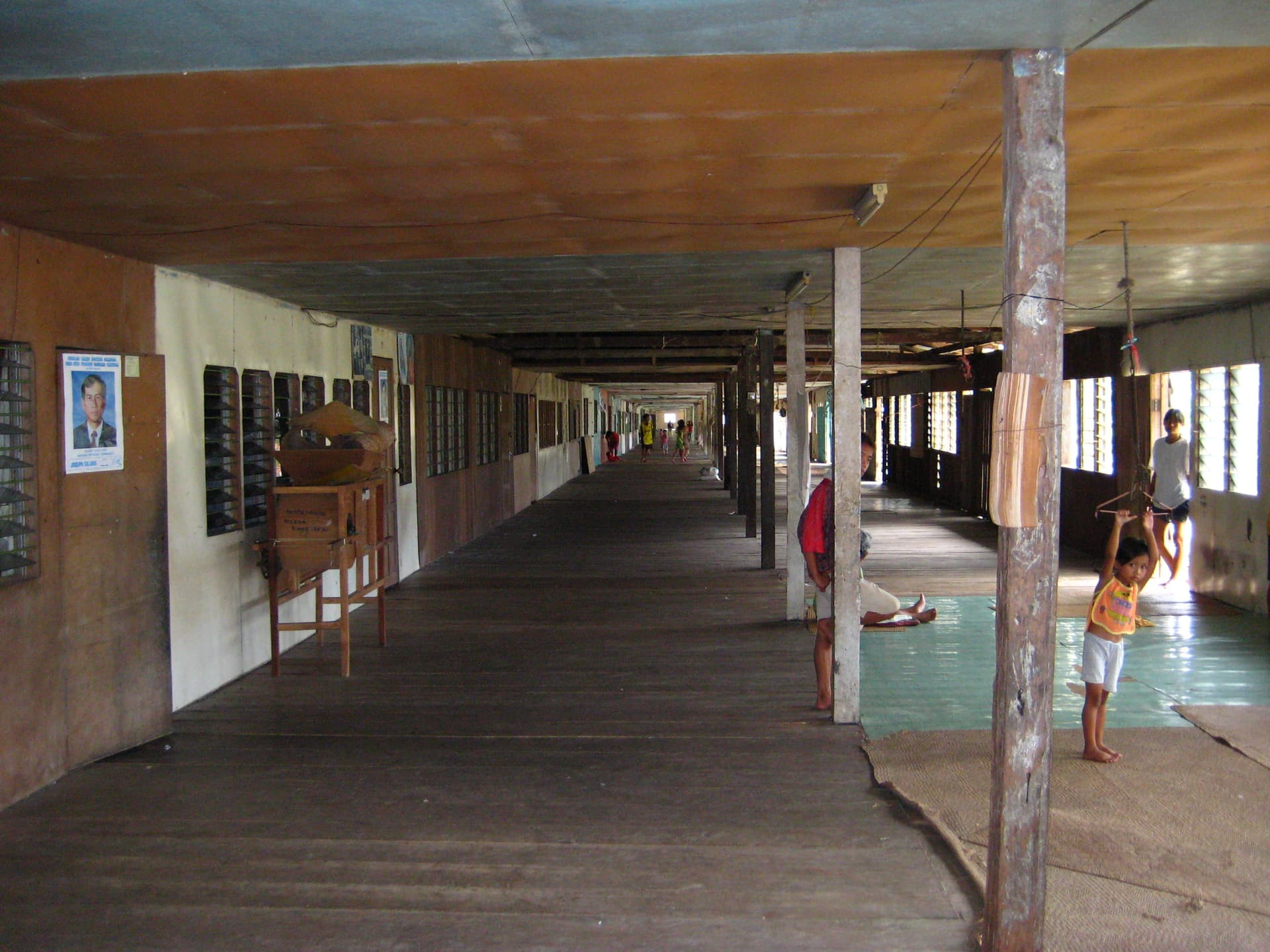
Arrival follows an unspoken script that's worth knowing in advance. Shoes come off before stepping onto the ruai, the longhouse's covered communal veranda running its full length, and a warm welcome usually means a shot of tuak, the home-brewed rice wine, pressed into your hand within minutes of arriving — it's polite to at least sip it, even if you don't finish the glass. Visitors are typically introduced to the tuai rumah, the longhouse headman, before being shown around, and a small gift or token payment for the visit, often arranged through the tour operator in advance, is standard practice rather than an insult.
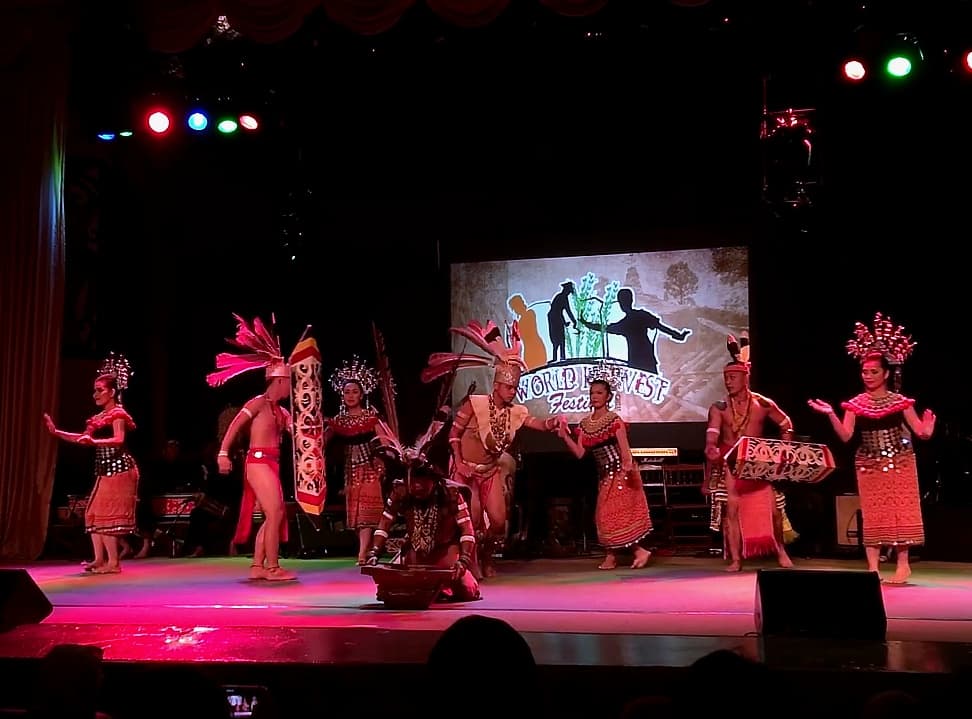
What follows depends on the longhouse and the season, but a typical visit includes a ngajat dance performance — the sweeping, solo warrior dance danced in full feathered dress — alongside demonstrations of backstrap weaving, blowpipe use, or how tuak itself is brewed. Overnight stays let visitors sleep on the ruai itself, share a family's evening meal, and see the longhouse at its most normal: children doing homework by the light of a single bulb, elders sorting the day's harvest, dogs and cats moving freely along the same veranda where the ngajat was danced hours earlier.
A few points of etiquette go a long way: ask before photographing individuals, especially elders, and follow your guide's lead on which parts of the longhouse — family biliks in particular — are open to visitors and which aren't. Modest dress is appreciated, and if you're offered food or tuak a second time, a polite decline is entirely acceptable; nobody expects a guest to keep pace all evening. Visiting during Gawai, Sarawak's harvest festival at the start of June, means longhouse doors are open wider than usual, though it's also by far the busiest and most sought-after time to visit.
The single best piece of advice for a first visit is to go through a registered tour operator or an established homestay programme rather than trying to arrange something informally — it protects the longhouse community's routine as much as it protects you from a wasted trip upriver. Done that way, a visit to an Iban longhouse in Sarawak is less a tourist stop than a few hours as an actual guest in someone's home, which is exactly what makes it worth the trip out of Kuching.