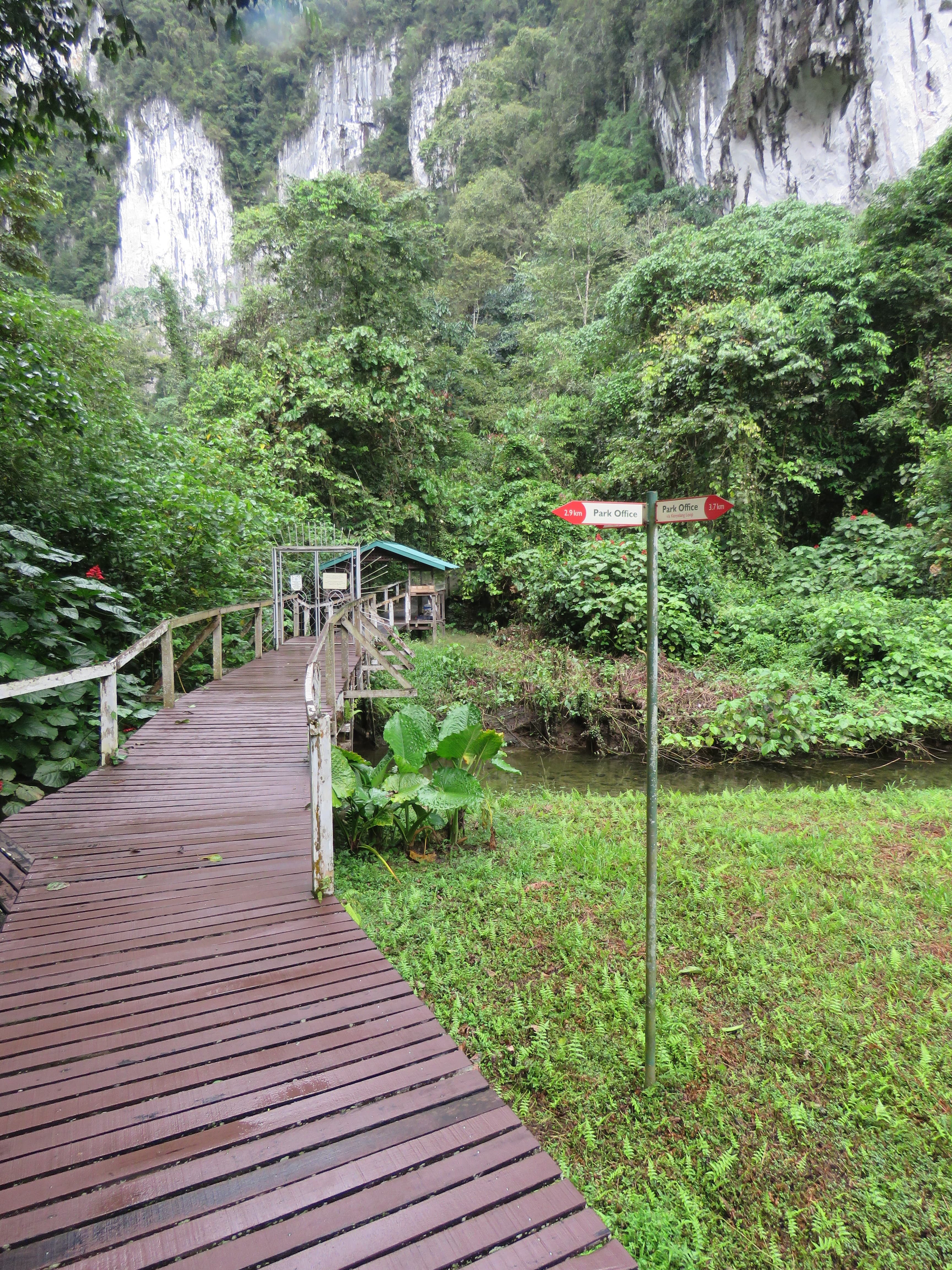
Gunung Mulu National Park is managed by Sarawak Forestry Corporation, and visiting it involves a bit more structure than a typical national park day out — guides are compulsory, capacity on the major treks is limited, and a bit of upfront planning around permits and timing makes the difference between a smooth trip and a frustrating one.
Every activity beyond the short boardwalk immediately around Park Headquarters requires a licensed guide, arranged either directly through the park office or through a registered tour operator before you arrive. This isn't red tape for its own sake — Mulu's cave systems and trails run through genuinely remote terrain, and guides double as safety cover and as the people who actually know which side trail leads to the Garden of Eden and which one leads nowhere useful. Group sizes on the more popular routes, especially the show caves, are capped, so guided slots for the day can fill up even when the caves themselves obviously aren't at capacity.
For the Pinnacles trek and the Mount Mulu summit climb specifically, book well ahead of arrival if at all possible. Both routes have a limited number of trekking permits released per day, largely dictated by how many people the overnight camps — Camp 5 for the Pinnacles, higher camps for the summit trek — can actually accommodate, and peak-season slots for both can be gone weeks in advance. Turning up at Park Headquarters and hoping to join a Pinnacles trek that same week is a real gamble during school holiday periods.
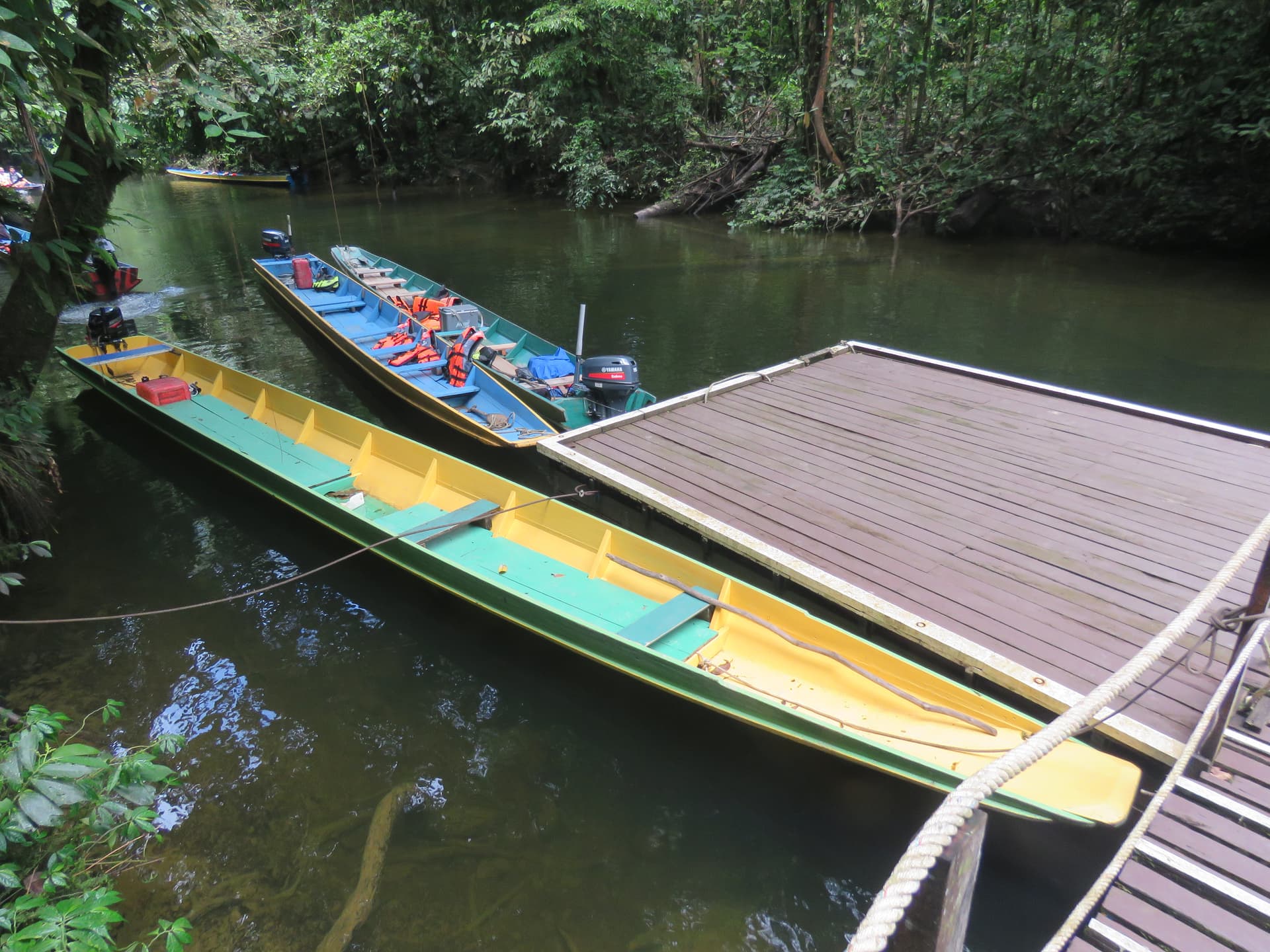
Pack for wet, humid conditions regardless of the month: a proper rain jacket, quick-dry clothing, and trekking shoes with real grip, since boardwalks and trail sections alike get slick fast. Leech socks are worth carrying for the Pinnacles and summit treks in particular — Borneo's rainforest leeches are harmless but persistent — along with a headlamp, given that some cave sections and pre-dawn trekking starts happen before daylight. A dry bag for cameras and phones is not optional on the Clearwater Cave boat trip.
The driest stretch of the year, roughly June through September, is generally the more reliable window for the Pinnacles trek and the summit climb, when trail conditions are less likely to force a cancellation. The November-to-February monsoon period brings Mulu's heaviest rain and can raise river levels enough to suspend the longboat trip to Clearwater Cave or Camp 5 altogether for a day or more at a time. Rain is possible in any month here, but the odds noticeably shift across the year, and it's worth building a spare day or two into an itinerary that includes any of the multi-day treks.
None of this is meant to make Mulu sound harder than it is — most visitors come away saying the planning was the only difficult part, and that the payoff underground and on the trails was worth every bit of the advance booking. Sort the guide, the permit and the flight together, build in a weather buffer, and the rest of the trip runs about as smoothly as anywhere this remote realistically can.