Deer Cave and Clearwater Cave get most of the attention when people talk about Mulu, and they earn it — but the national park around them holds enough activity to fill anywhere from three days to a full week without repeating yourself. Between caves, canopy, mountain and river, Mulu is built for travellers who want their itinerary front-loaded with things to actually do rather than places to simply look at.
Start, as almost everyone does, with the show caves nearest Park Headquarters. Deer Cave and Lang Cave sit a boardwalk-and-plank-walk away from the entrance and can be done in a single guided morning, while Clearwater Cave and Wind Cave sit a short longboat ride up the Melinau River and are usually paired into one half-day trip, often finishing with a swim in the cool, clear pool at Clearwater's entrance.
The Mulu canopy walkway is one of the longest treetop walkways of its kind anywhere in the world, a network of suspended walkways strung between trees roughly 20 metres up in the rainforest canopy. It's a comparatively gentle activity by Mulu standards — no strenuous trekking required — and one of the better ways to see the forest from above rather than from the trail below, with a decent chance of spotting hornbills and gibbons at eye level instead of straining upward.
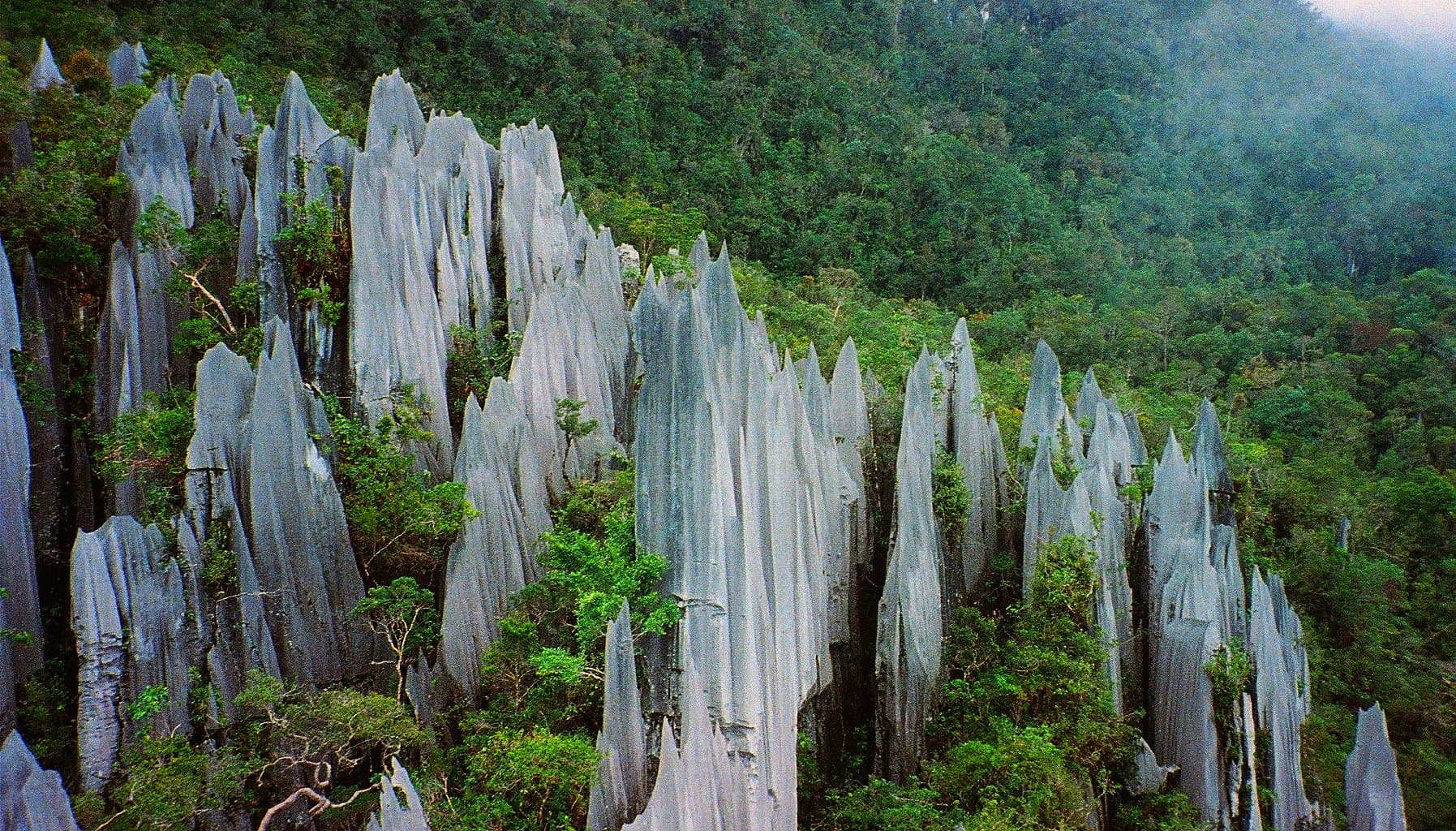
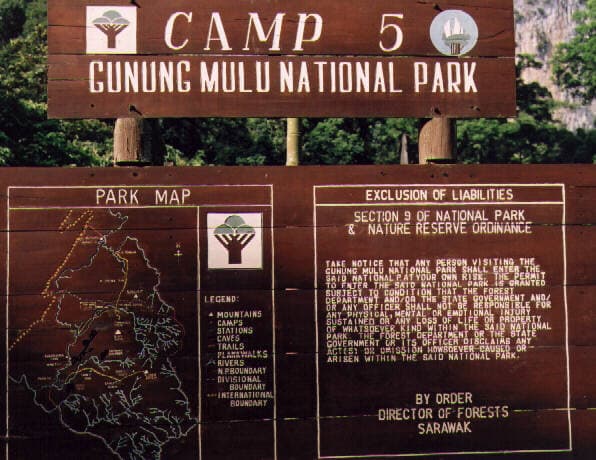
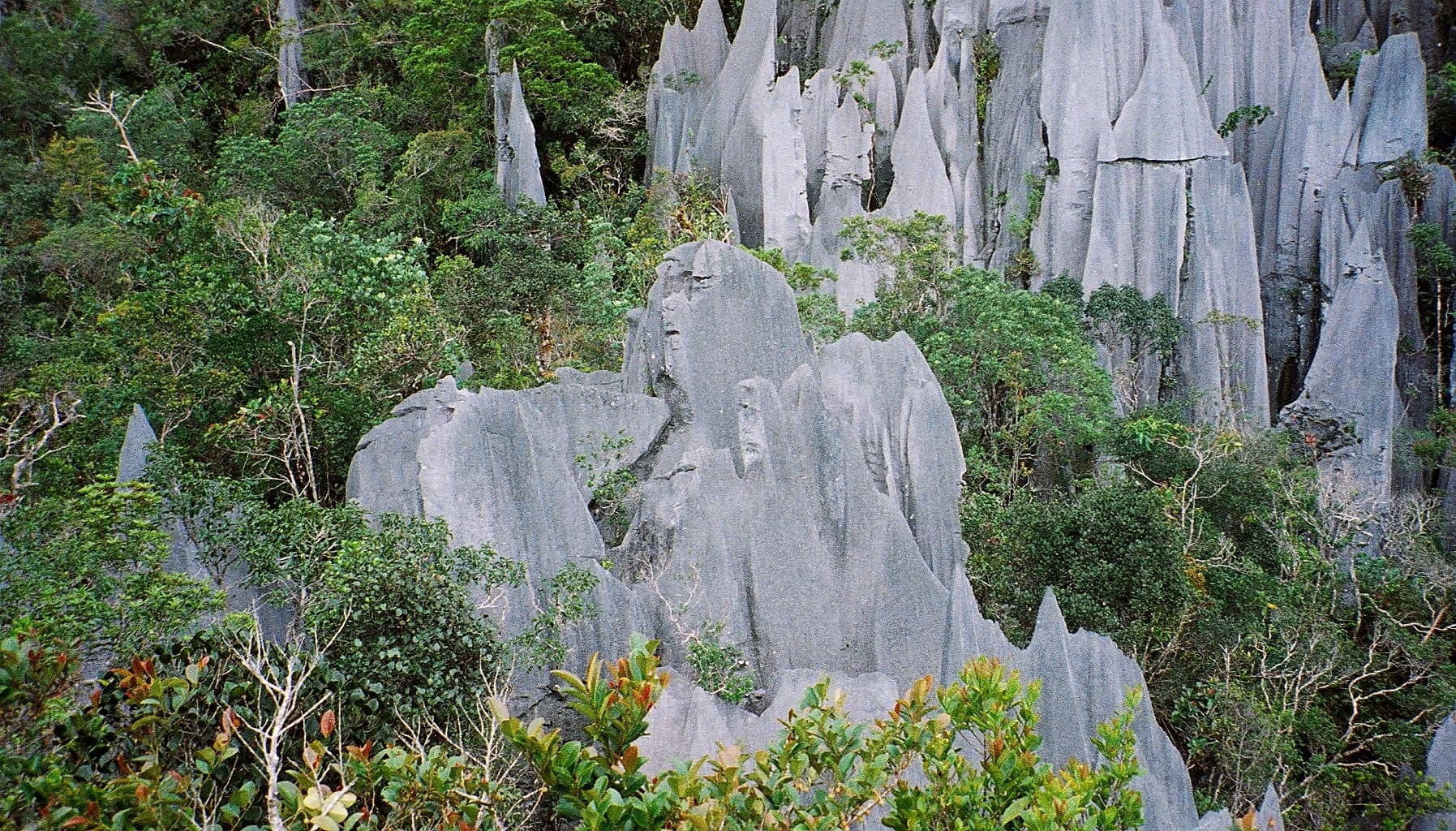
The Pinnacles trek is Mulu's signature adventure and its toughest: a three-day, two-night trip that starts with a longboat ride to Camp 5, followed by a brutally steep few hours' climb up Gunung Api using ropes and ladders near the top, all to reach a viewing platform looking out over a forest of razor-sharp limestone spikes found in only a handful of places on Earth. It's not a trek to underestimate — fitness matters, an early start matters, and afternoon rain is close to guaranteed on the way back down.
For trekkers wanting something even longer, the multi-day climb to the summit of Gunung Mulu itself runs several days each way through increasingly remote rainforest, a serious undertaking reserved for travellers with the time and fitness to match. A gentler alternative for extending a Mulu trip is the Headhunters' Trail, a historic route once used by war parties moving between river systems, which now lets trekkers walk out from Camp 5 toward Limbang by boat and trail instead of retracing their steps back to Park Headquarters.
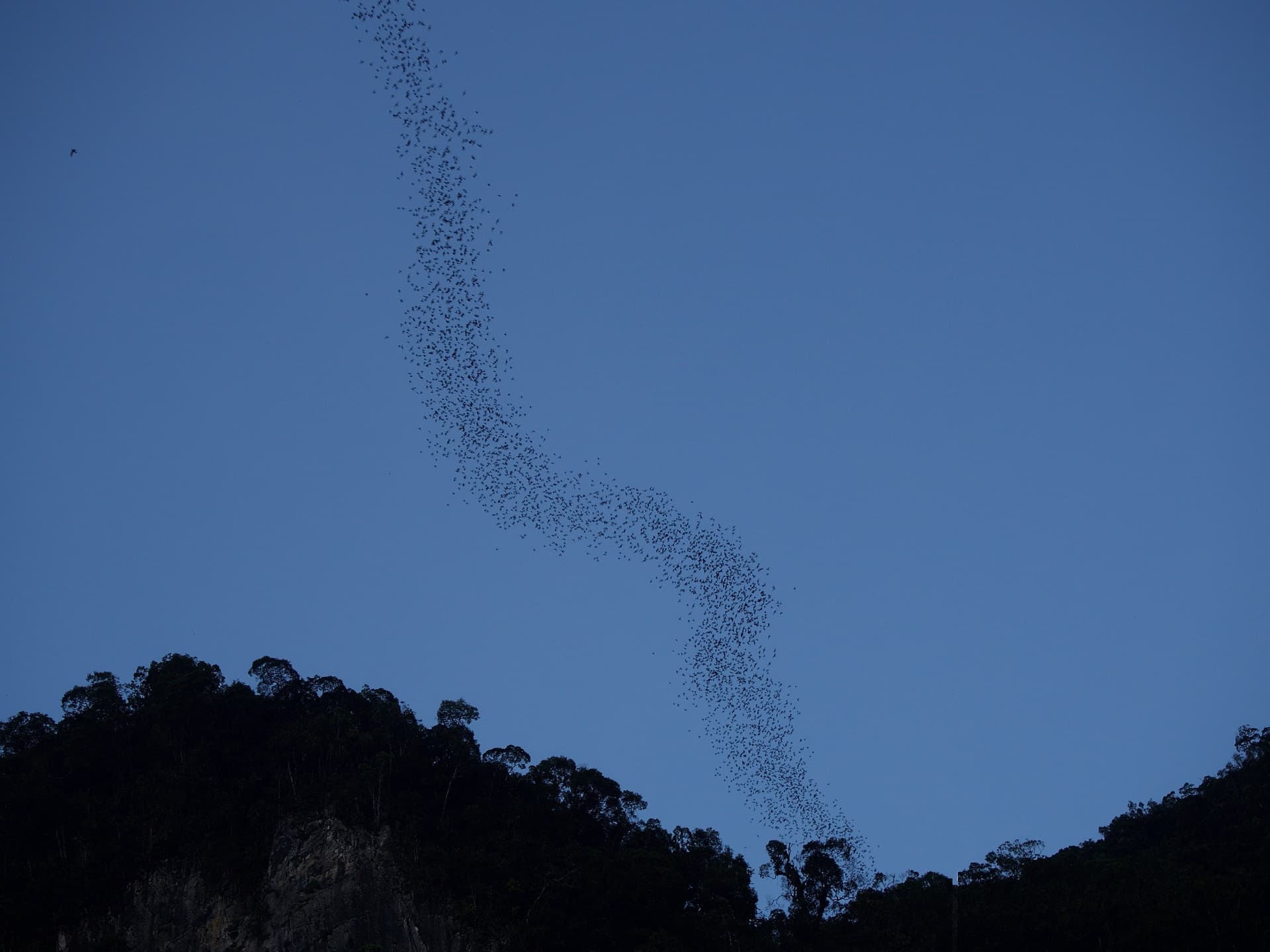
Every one of these activities still runs around Mulu's daily fixture: the bat exodus. Most evenings, weather permitting, several million wrinkle-lipped bats spiral out of Deer Cave's mouth in a long, shifting ribbon against the dusk sky, watched from a purpose-built observation area near the cave entrance. It's free, it needs no booking and no fitness at all, and it's arguably the single best reason to make sure at least one evening in Mulu isn't scheduled around anything else.
Whether that adds up to three quiet days around Park Headquarters or a full week that includes the Pinnacles and a multi-day trek, Mulu scales to the traveller rather than the other way around — which is part of why so many people who fly in for the caves end up staying far longer than they planned.