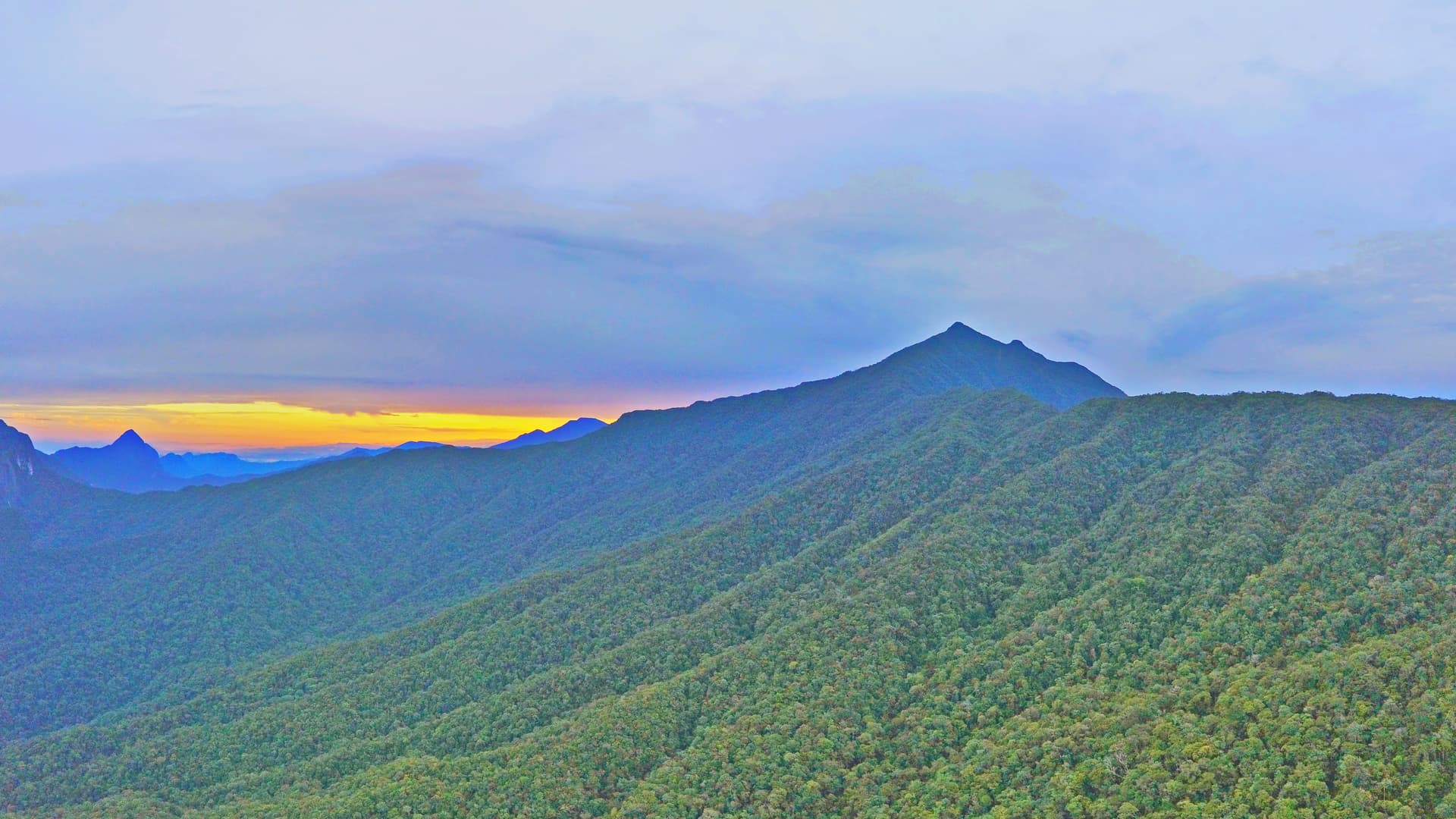
Mulu sits in the far northeast corner of Sarawak, close enough to the Brunei and Kalimantan borders that it feels like a different country from Kuching, let alone the rest of Malaysia. There's no road in — none at all — which is unusual even by Borneo standards, and it's the single fact that shapes every other part of planning a trip here. Getting to Mulu is part of what makes it feel like a genuine expedition rather than a weekend trip, and knowing the logistics in advance saves a lot of stress once you've committed to the flight.
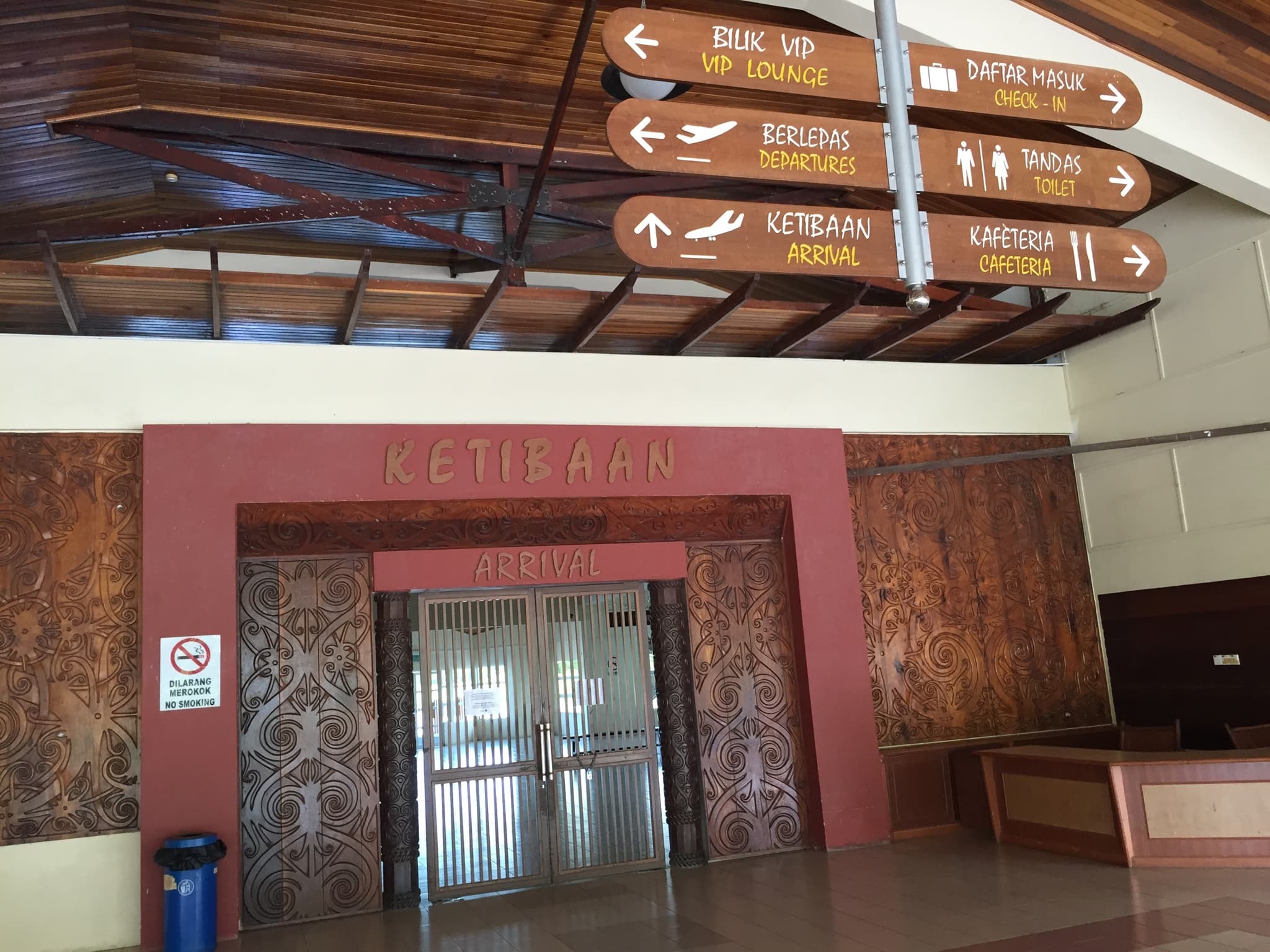
The only practical way in is by air: MASwings operates short domestic flights into Mulu Airport, most commonly from Miri, with Mulu's small airstrip landing turboprop aircraft on a single short runway carved out of the rainforest. Before the airstrip was built in the 1970s, reaching Mulu meant days of upriver travel by longboat followed by a jungle trek — a journey some older Sarawakian guides can still describe from experience. That history is worth remembering while you're waiting in Mulu Airport's small arrival hall for your bags: a few decades ago, this same trip took the better part of a week.
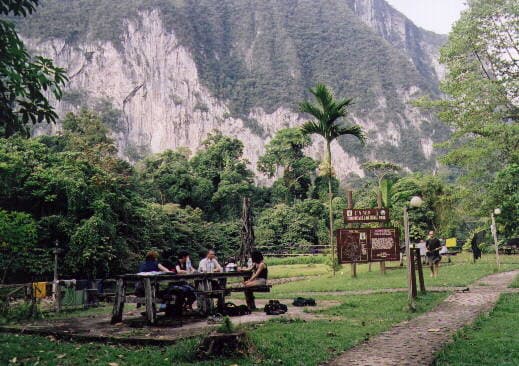
Once you land, accommodation splits into two clear options. Park Headquarters runs hostel dorms and simple chalets right at the entrance to Gunung Mulu National Park, which matters because it puts you first in line for early cave entry and cuts out any transfer time on trekking mornings. The alternative is the Mulu Marriott Resort & Spa, a short walk or shuttle from the park gate, offering considerably more comfort for travellers who'd rather not rough it after a day on the Pinnacles trail. Neither option is unlimited — Mulu's total bed count is small relative to demand, and rooms during peak season, roughly June to August, sell out well in advance.
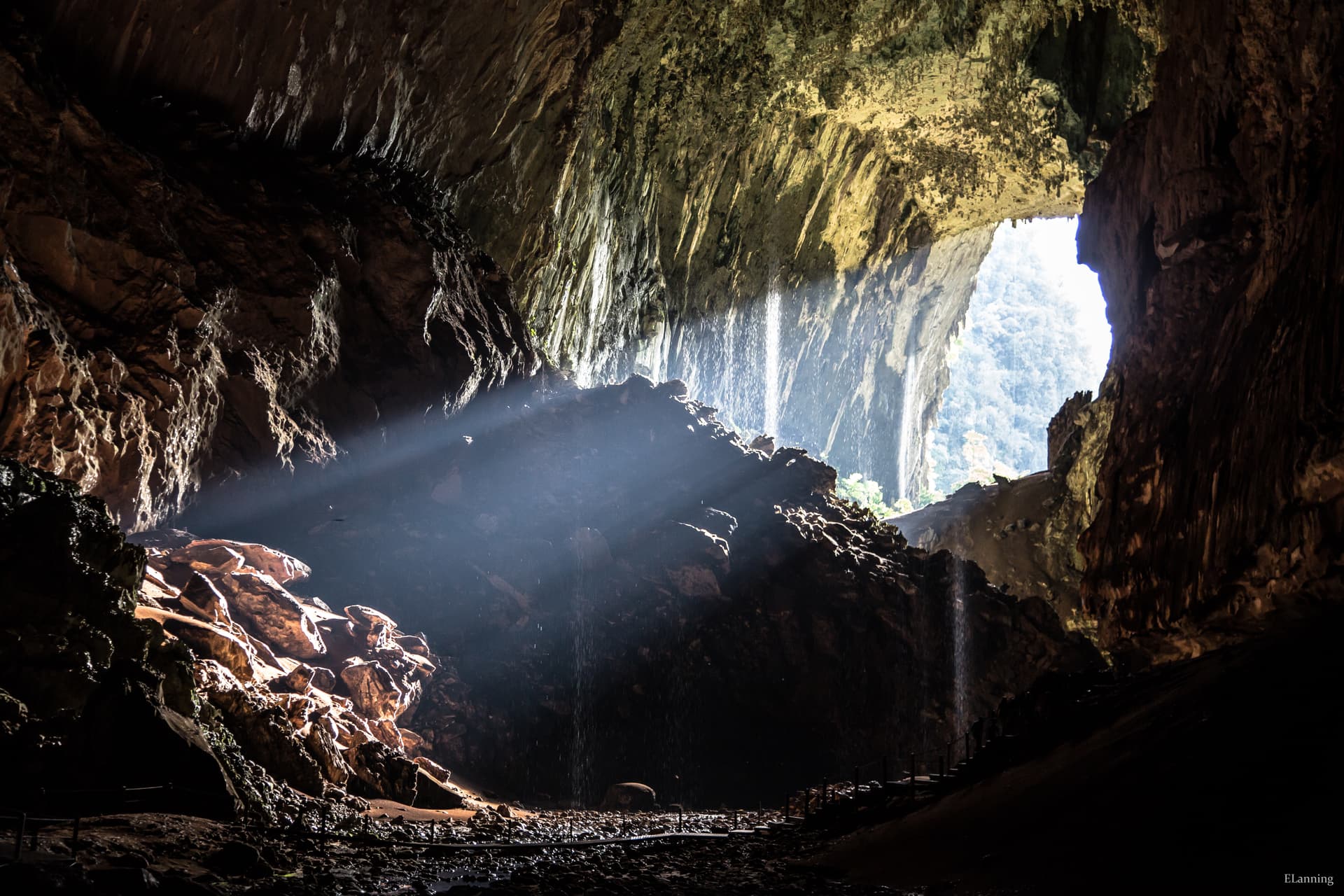
Three days is the realistic minimum for a worthwhile Mulu trip: enough time for Deer Cave and Clearwater Cave, the canopy walkway, and one evening watching the bat exodus at dusk. Add two more days if the Pinnacles trek is on your list, since that alone runs as a three-day, two-night round trip involving a longboat ride and a demanding climb. Anyone considering the multi-day trek to the summit of Gunung Mulu itself should budget closer to a week in total, including buffer days for weather delays — flights and river levels here are both at the mercy of Borneo's rain.
Mulu sits squarely in equatorial rainforest, which means rain is a possibility on any given day of the year rather than a seasonal exception. That said, the stretch from roughly June through September tends to run drier and is generally considered the more reliable window for trekking, while the November-to-February monsoon period brings the heaviest downpours and the highest river levels — sometimes enough to affect boat access to Clearwater Cave or delay the Pinnacles trek entirely. Packing a proper rain jacket and quick-dry clothing matters here regardless of which month you land.
Because everything about Mulu is capacity-constrained — flights, park beds, and the guides required for every trail — the trip rewards planning further ahead than most Malaysian destinations demand. Book the flight, the room and, if the Pinnacles or summit trek are on the itinerary, the guide slot, all before you arrive, and the remoteness that makes Mulu hard to reach stops being a hassle and starts being exactly what makes it worth the trip.