I Love Sarawak
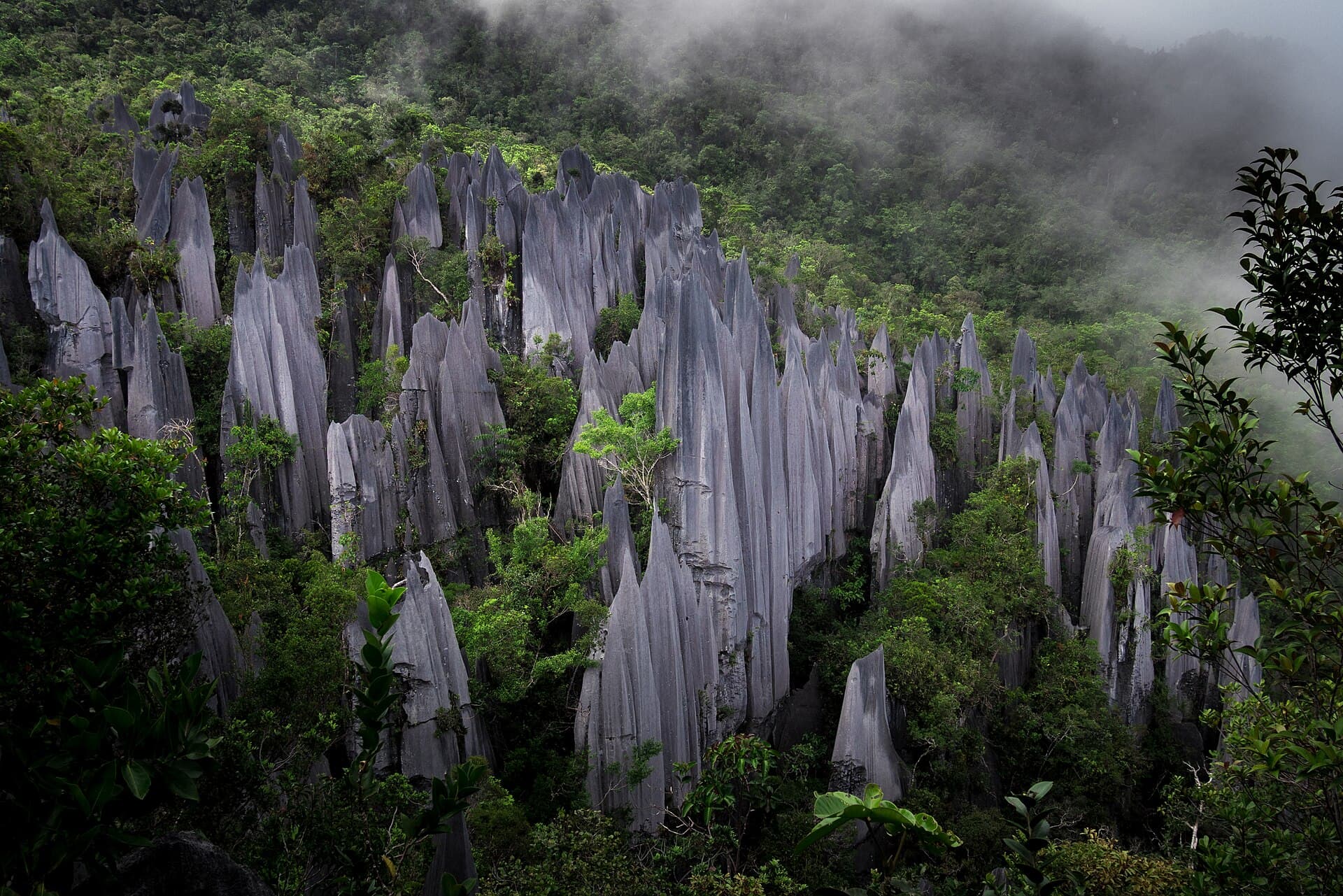
The limestone Pinnacles of Gunung Mulu rising out of misty rainforest
Mountains & Highlands

Gunung Mulu National Park

Miri Division

Razor-edged limestone pinnacles and the world's biggest cave chamber, deep in UNESCO-listed rainforest.

Gunung Mulu National Park is a UNESCO World Heritage Site built around one of the most dramatic karst landscapes on Earth. The Pinnacles — razor-sharp limestone spikes rising up to 45 metres out of the rainforest canopy — are its signature image, reachable only by a demanding multi-day trek. Underground, the park holds an even bigger claim to fame: the Sarawak Chamber, the largest known cave chamber in the world by area, big enough by some estimates to fit 40 Boeing 747s.

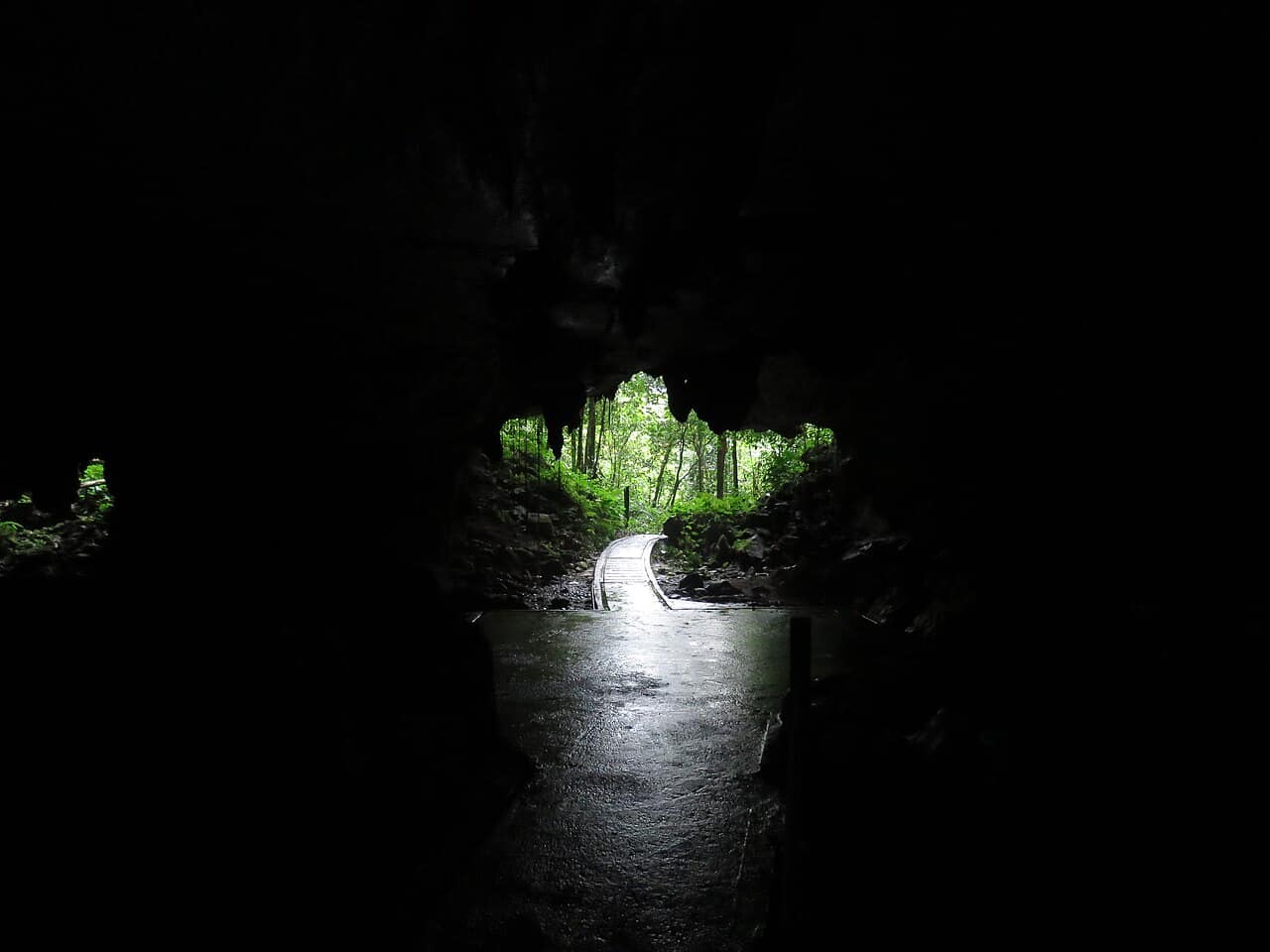
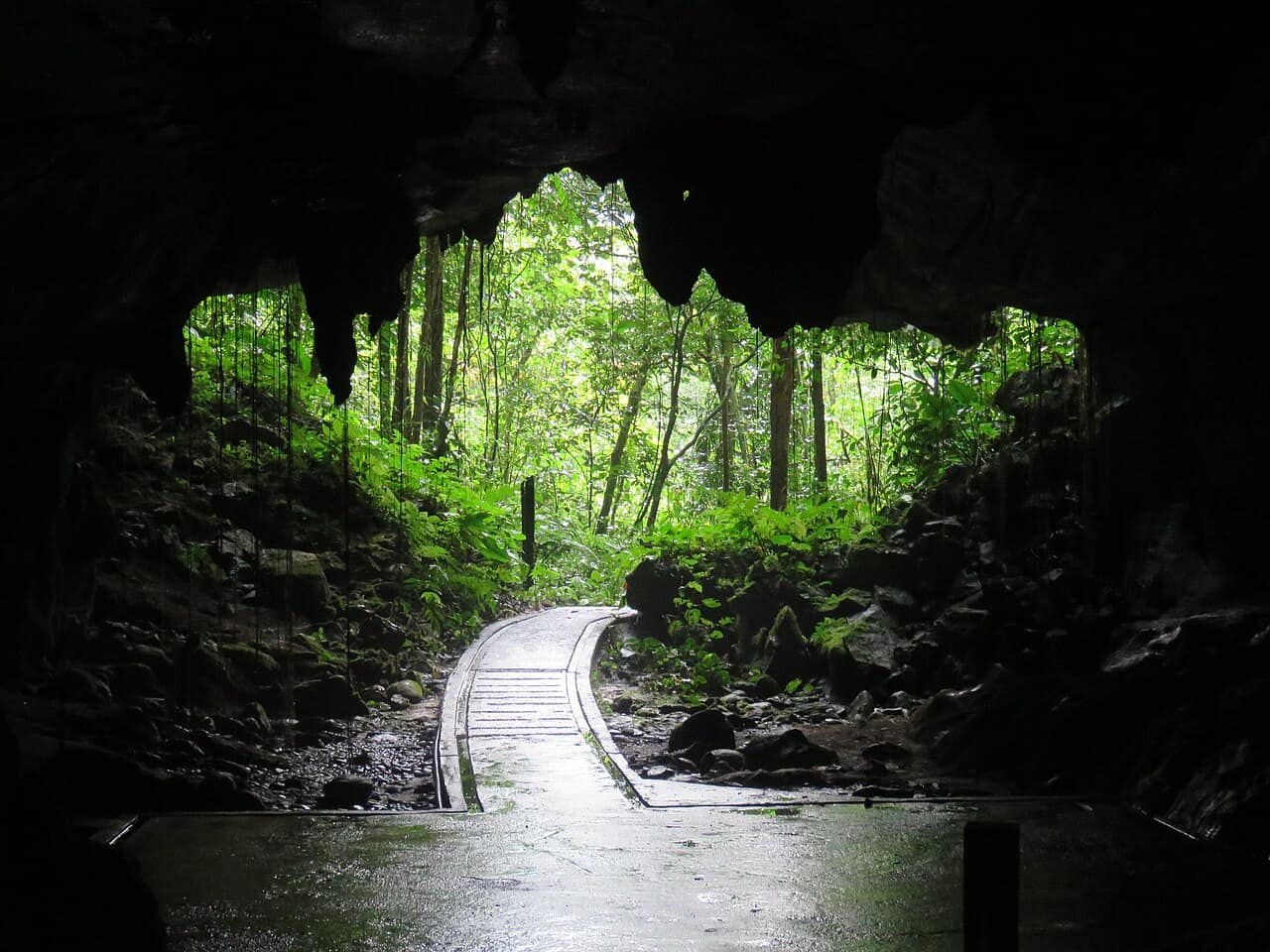
Every evening at Deer Cave, millions of wrinkle-lipped bats spiral out at dusk in a display known simply as the bat exodus — one of the most reliable wildlife spectacles in Borneo. Clearwater Cave forms part of one of the longest cave systems on the planet, and a network of well-built boardwalks and show-cave walkways means none of this requires technical caving experience to see.
Highlights

  • The Pinnacles — a multi-day trek to razor-edged limestone spires
  • Deer Cave and Lang Cave, usually combined into one 3–4 hour guided tour
  • The nightly bat exodus from Deer Cave at dusk
  • Clearwater Cave and the Sarawak Chamber, the world's largest known cave chamber
  • The park's canopy walkway through the rainforest treetops

Getting there

Mulu is remote enough that flying is really the only practical option. MASwings runs daily flights in from Miri (about 30 minutes), Kuching (around 1 hour 20) and Kota Kinabalu (about 55 minutes). From Mulu Airport it's a flat, easy 20-minute walk to the park headquarters if you're not carrying too much luggage.

Good to know

  • Entrance fee: RM30 for foreign adults (valid 5 consecutive days), RM10 for foreign children 6–18; Malaysians pay half
  • Most activities — the show caves, the Pinnacles trek, the canopy walk — need a guide and should be booked ahead via the park's official website
  • July to September is the driest stretch and also peak season, so book accommodation early
  • It's rainforest — expect rain at some point on your trip regardless of season

Photo: Nur Nafis Naim (CC BY-SA 4.0), via Wikimedia Commons.