I Love Sarawak
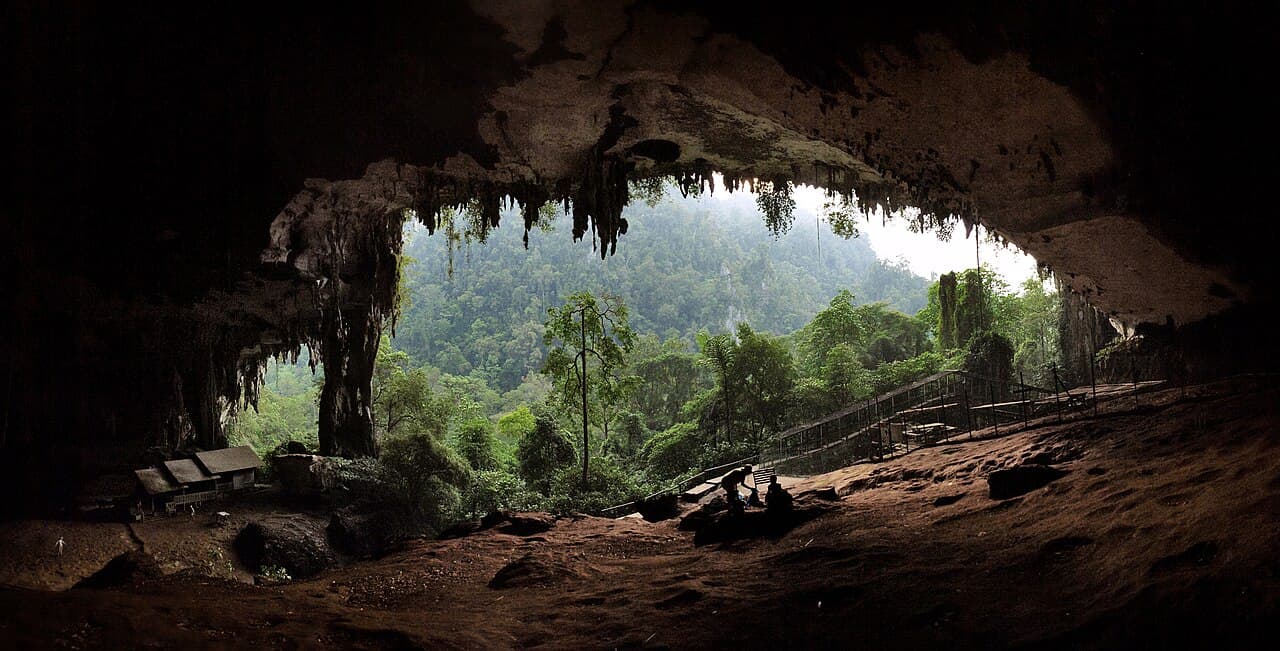
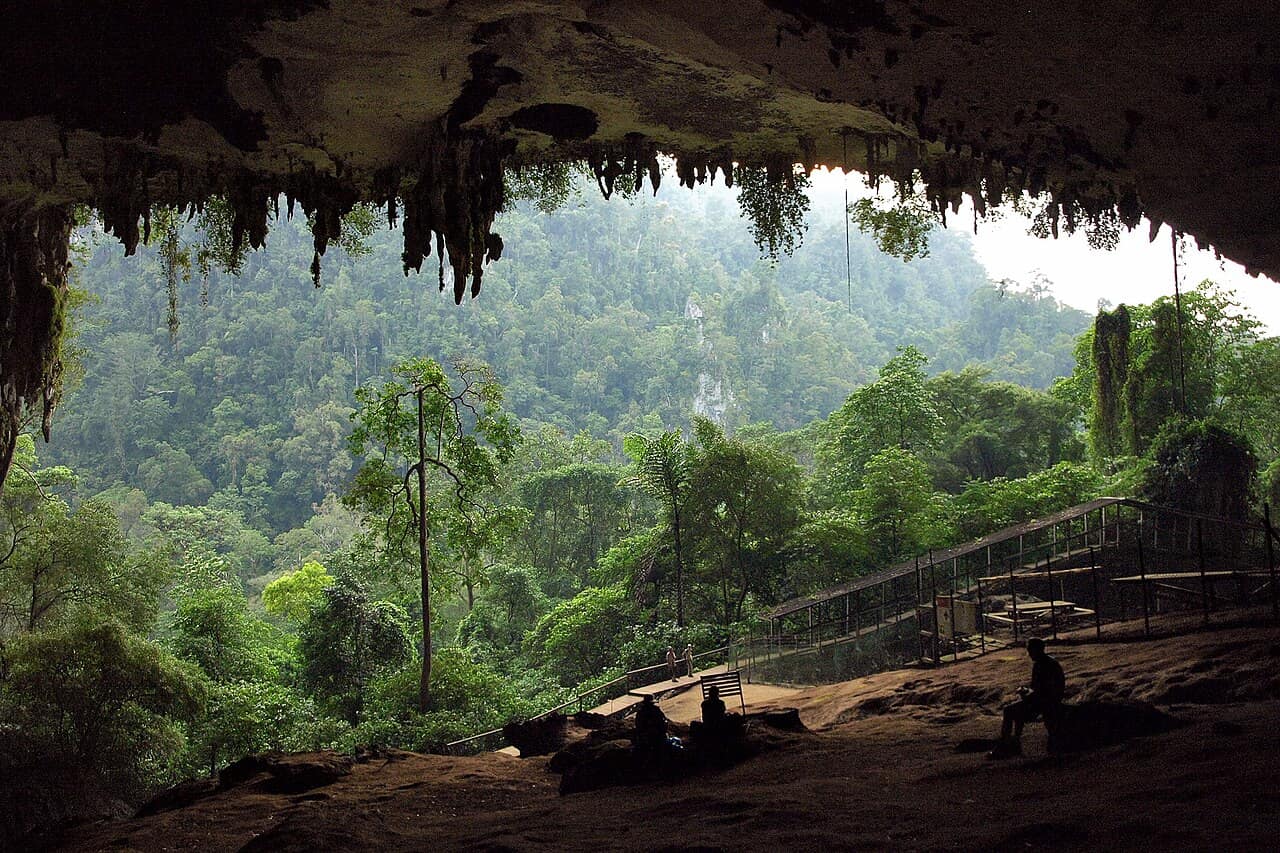
Looking out from the Great Cave of Niah over the rainforest at sunset
Caves

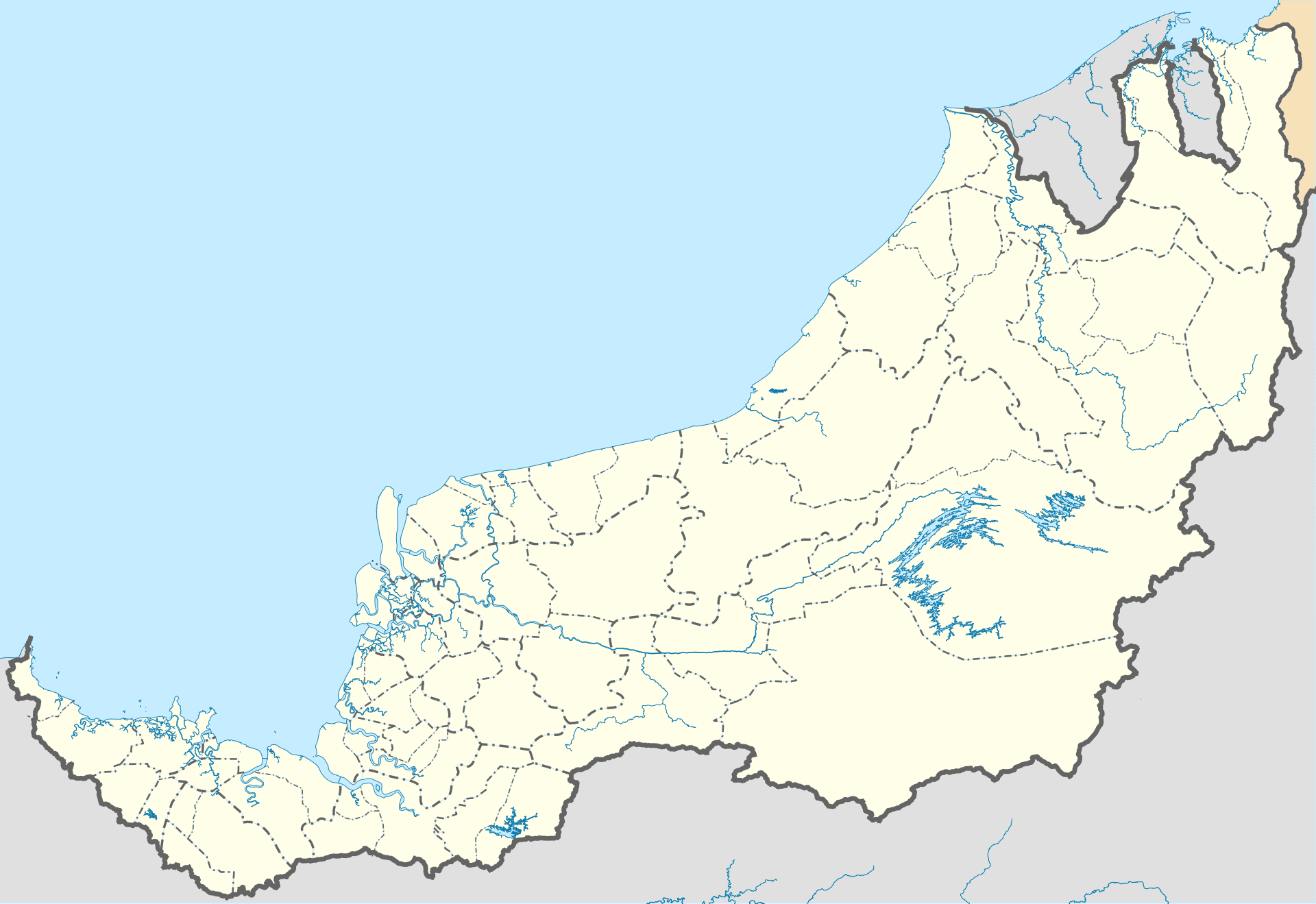
Niah National Park

Miri Division

A cave mouth the size of a cathedral, sheltering 40,000 years of human history.

The mouth of Niah's Great Cave is enormous enough to hold a cathedral — a dark, cool opening into limestone hills that has sheltered human life for an extraordinary length of time. Excavations here in the 1950s uncovered a human skull dated to roughly 40,000 years old, among the oldest modern human remains found anywhere in Southeast Asia.

Deeper into the system, the Painted Cave still holds faint ochre drawings and boat-shaped 'death ship' coffins from ancient burial rites, while the caves continue to be harvested under permit for swiftlet nests and guano, much as they have been for generations.
Highlights

  • The Great Cave, one of the largest cave mouths in the world
  • The Painted Cave, with ancient rock art and 'death ship' burial coffins
  • A raised plank walkway through lowland rainforest to reach the caves
  • Evidence of 40,000-year-old human habitation, among the oldest in Southeast Asia

Getting there

From Miri, take any bus heading to Bintulu, Sibu or Kuching from the Pujut Corner Bus Terminal and ask to be dropped at the Niah Rest Stop (around RM10–15), then a short taxi to the park HQ (RM30–50). A direct Grab runs about RM100–120, a taxi around RM160, or self-drive the 80km coast road in about 1 hour 30. Day tours from Miri, all-inclusive, run around RM260 per person.

Good to know

  • Entrance fee: RM20 for foreign adults, RM7 for foreign children 7–18; Malaysians pay RM10/RM3; under-6s free
  • There's a small RM1 per-person charge each time you cross the river by boat within the park
  • The walk from park HQ to the Great Cave is a few kilometres each way along a raised boardwalk

Photo: Starlightchild (CC BY-SA 3.0), via Wikimedia Commons.