All 108 schools in Serian district closed on Wednesday 24 September after the Air Pollutant Index (API) there passed 200, the Sarawak Education Department (JPN) said in a statement reported by Bernama. Pupils were moved to home-based teaching and learning, known as PdPR, for the length of the closure.
The department said the decision followed an API reading above 201 in the district on the night of 23 September. The Malaysian Air Pollutant Index Management System (APIMS) portal showed 217 in Serian at 10pm that night.
How bad the air was in Serian on Wednesday
The reading did not ease overnight. At 8am on 24 September the monitoring station at the Serian District Police Headquarters recorded 218, in the very unhealthy band, according to APIMS figures reported by Bernama. It was the only station in that update above 200.
Nine Sarawak stations were in the unhealthy band at the same hour, according to the same APIMS update:
- Kuching: 195
- Samarahan: 188
- Bintulu: 170
- Sri Aman: 168
- Samalaju: 163
- Sibu and Sarikei: 158 each
- Mukah: 151
- Miri: 114
Kuching's 195 sat just short of the 200 line at which schools must shut.
What the API bands mean
The Department of Environment's scale, as Bernama set it out, runs in five bands:
- 0 to 50: good
- 51 to 100: moderate
- 101 to 200: unhealthy
- 201 to 300: very unhealthy
- above 300: hazardous
The rules that decide when a school closes
The closure was not a judgement call made on the day. JPN set out its thresholds in a statement on 12 September, when it extended earlier closures in Serian and Lubok Antu:
- Above 100: all outdoor activities involving students must stop.
- Above 200: every school in the affected area or district must close immediately.
- Above 500: teachers and school staff are not required to report for duty.
The department said it tracks readings through the APIMS portal and reports from the Malaysian Meteorological Department, and that schools reopen once the reading falls below 200. It added that closures can also follow recommendations from the Sarawak State Disaster Management Committee.
The national plan uses the same line. Under the National Haze Action Plan, schools, kindergartens and childcare centres close when the API exceeds 200, the Department of Environment said in a statement on 20 September. The same plan allows the National Disaster Management Agency to activate the Disaster Management Committee, and permits cloud seeding where suitable clouds exist, once the API stays above 150 for more than 24 hours.
What parents can do
JPN has said parents and guardians may keep children at home if they are worried about their health during the haze, provided they tell the school. It advised pupils to wear face masks and drink water regularly, and told schools to make sure there is enough clean drinking water.
The department asked parents to follow its official channels for the latest position on each district. As of the 24 September statement, JPN had not given a reopening date for Serian. Under its own rule, the district's schools stay on PdPR until the reading drops back below 200.
Why Serian keeps coming back to the same line
This is not the first closure in the district this month. On 12 September JPN extended the shutdown of schools in Serian and Lubok Antu until readings in both fell below 200, while schools under 12 other district education offices, Kuching and Bintulu among them, returned to normal operation. On 21 September all primary and secondary schools under the Lubok Antu and Kanowit district education offices closed again on that morning's readings.
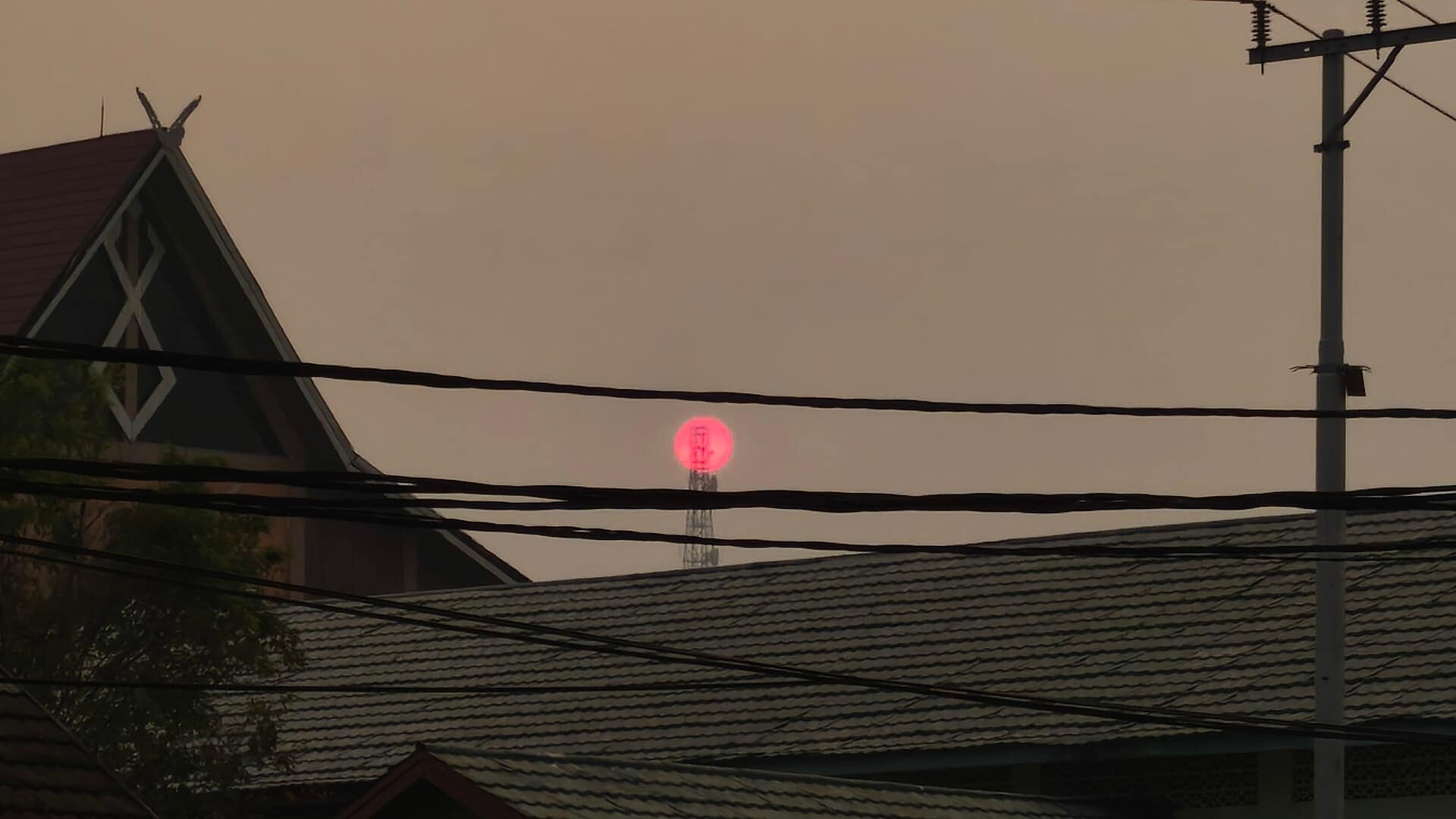
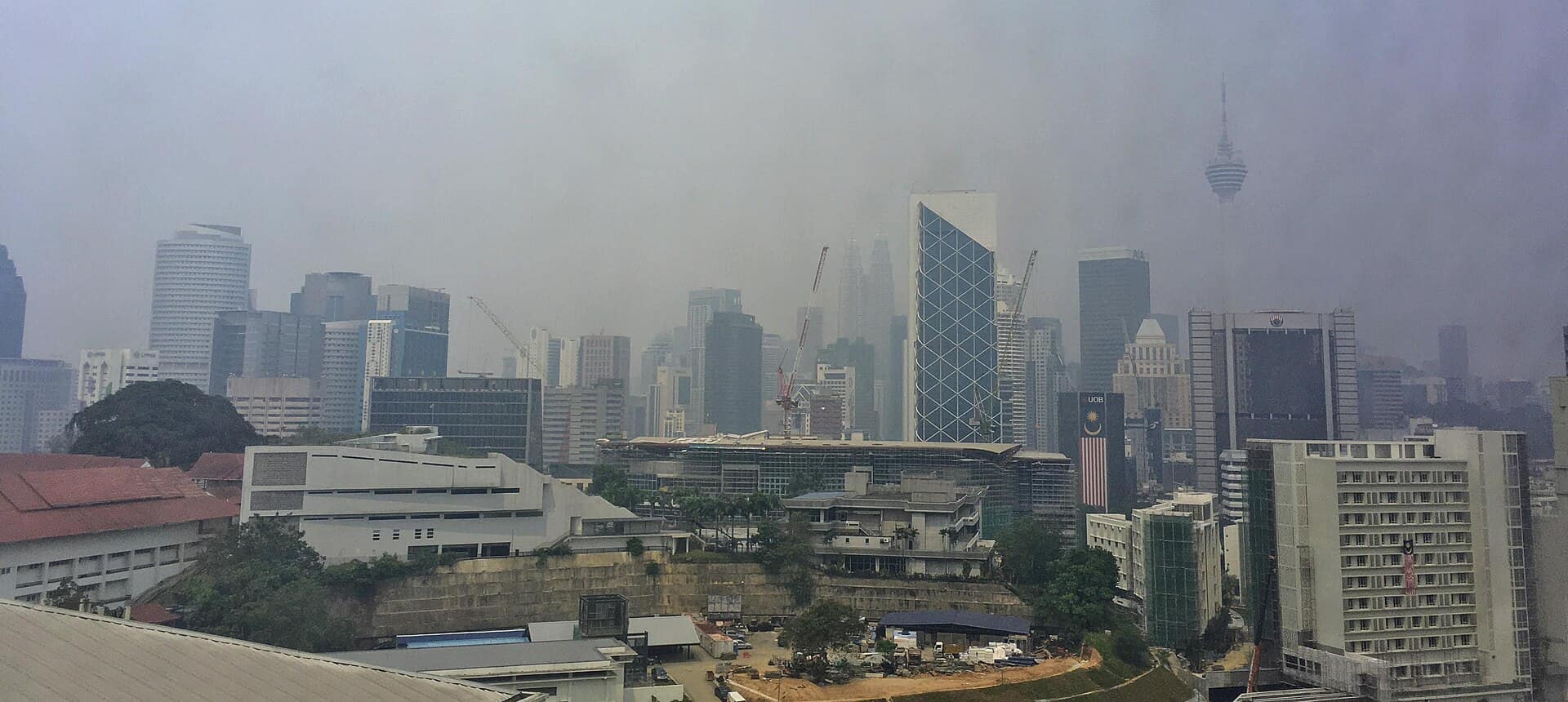
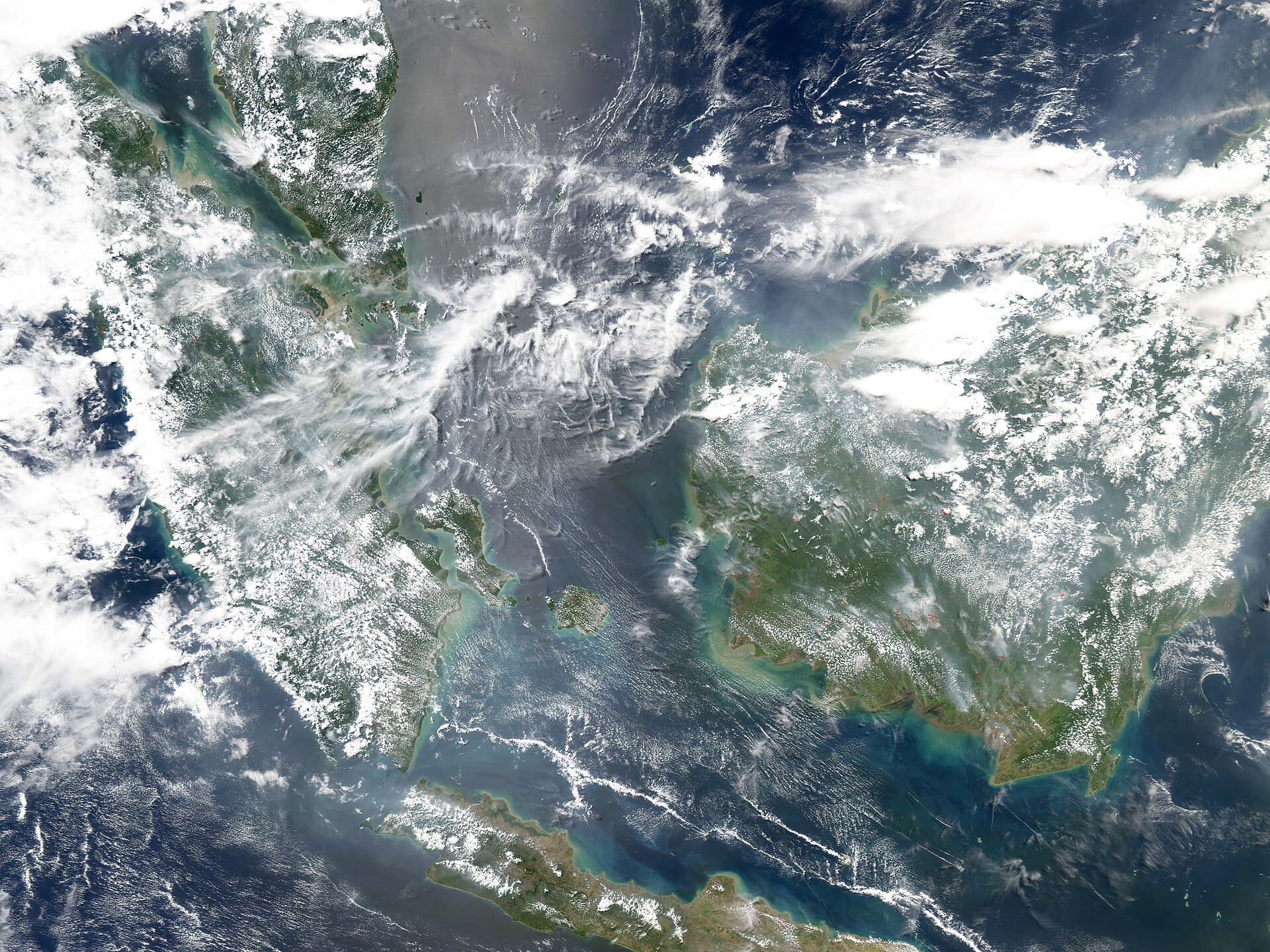
The Department of Environment has put the haze down to persistent dry weather in the southern ASEAN region. It cited an ASEAN Specialised Meteorological Centre report counting 865 hotspots in Kalimantan on 19 September, 16 in Sumatra and six in Malaysia, all of them in Sarawak, with moderate transboundary smoke moving from Kalimantan towards western Sarawak. It said it had stepped up inspections and patrols in high-risk areas, including peatland, plantations and landfill sites.
Sources
- BERNAMA - Haze: All Serian Schools To Close Temporarily Tomorrow — Bernama
- BERNAMA - Haze: All Serian Schools To Close Temporarily Tomorrow — Bernama
- BERNAMA - Haze: Serian Records Very Unhealthy Air Quality — Bernama
- BERNAMA - Schools In Serian, Lubok Antu To Remain Closed Until Haze Improves — Bernama
- BERNAMA - Haze: 22 Areas Record Unhealthy API Readings, IPD Serian Highest This Morning — Bernama
- BERNAMA - Haze: Schools In Lubok Antu, Kanowit Closed Today — Bernama