
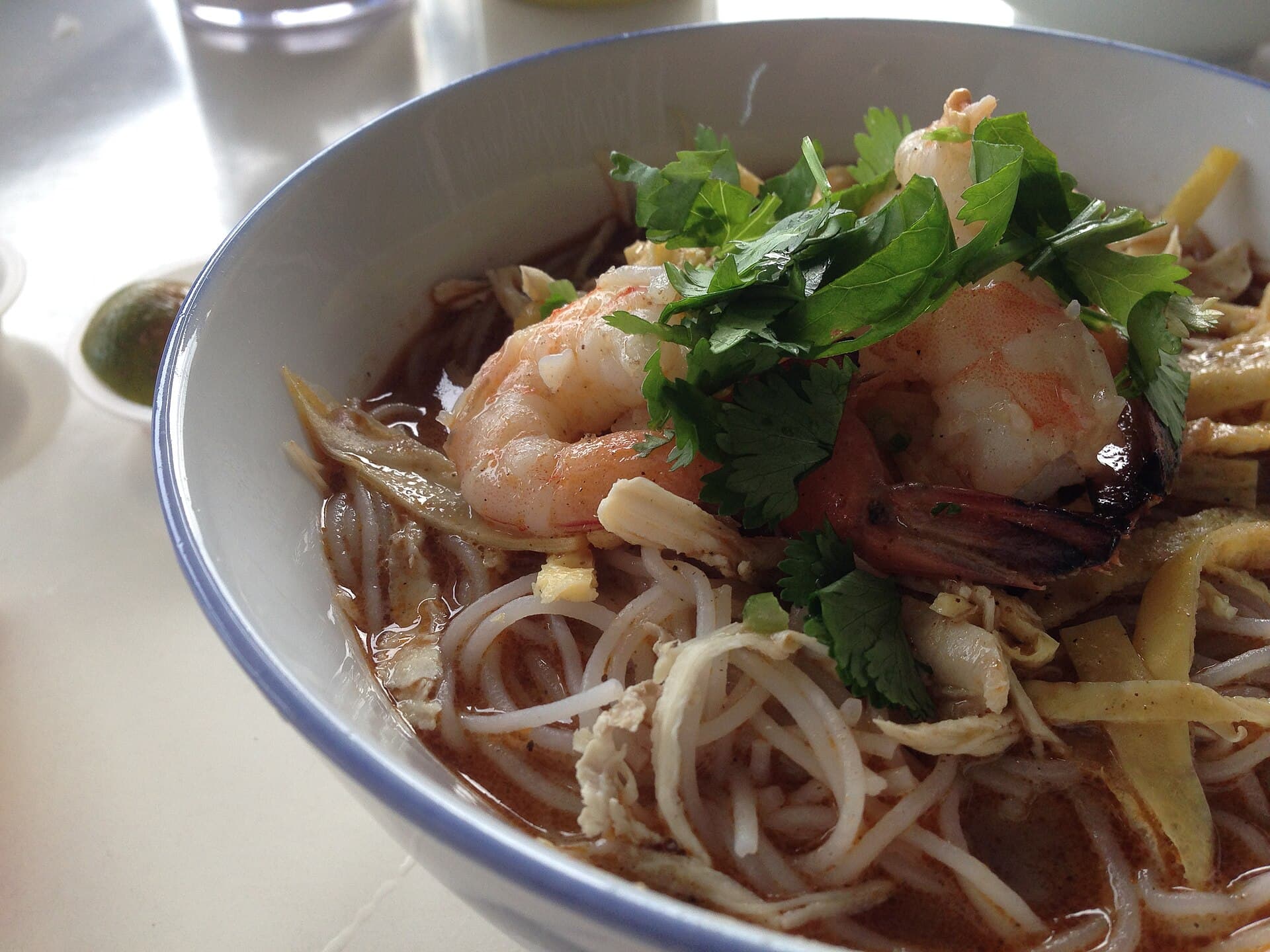
Sarawak laksa
A fragrant, spiced broth with rice vermicelli and toppings that often include prawns, chicken and omelette. Recipes vary from stall to stall.
Culture & lifestyle · Malaysian Borneo
Pull up a chair. Share a meal. Listen to a story.
The best way to know this place is through its people.
Culture here lives beyond a museum wall. It is in a bowl of noodles before work, a neighbourhood temple, a family celebration, and a melody handed from one musician to another.
From Iban and Bidayuh communities to Melanau, Orang Ulu, Malay, Chinese and many others, there is no single Sarawak story. Start with curiosity. Leave room for the unexpected.
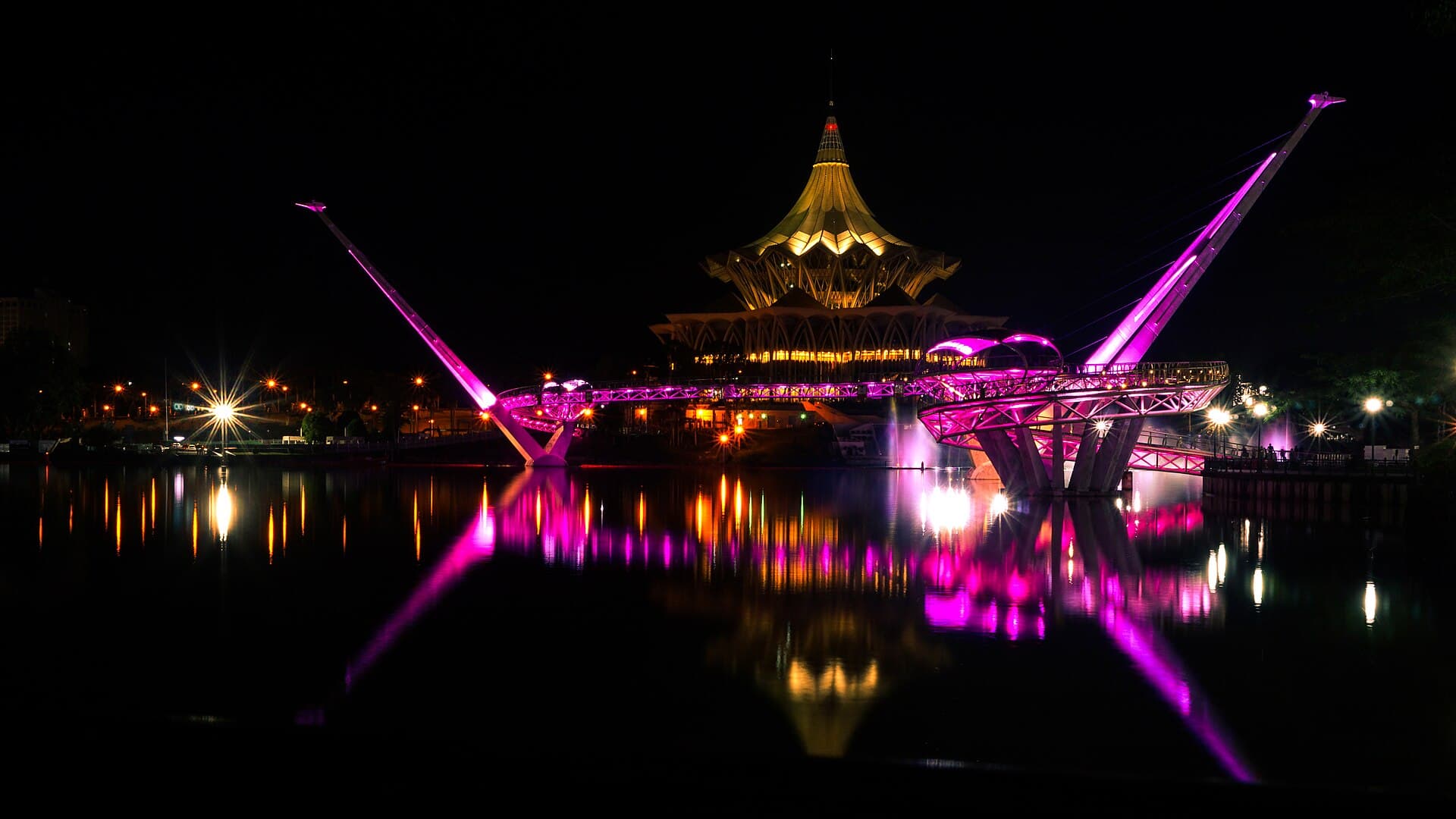
Start at the table. Let a morning in Kuching unfold one bowl, one conversation, one market stall at a time.
A fragrant, spiced broth with rice vermicelli and toppings that often include prawns, chicken and omelette. Recipes vary from stall to stall.
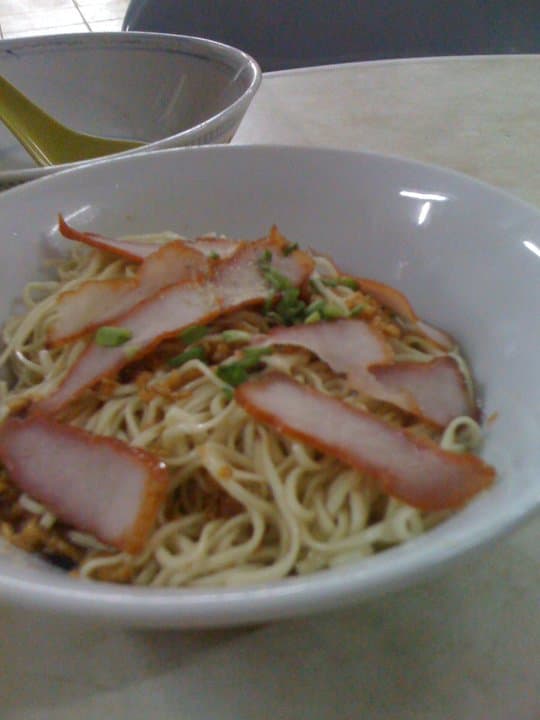
Springy noodles tossed in a savoury dressing, commonly served with minced and sliced pork. Ask the stall about ingredients and available variations.
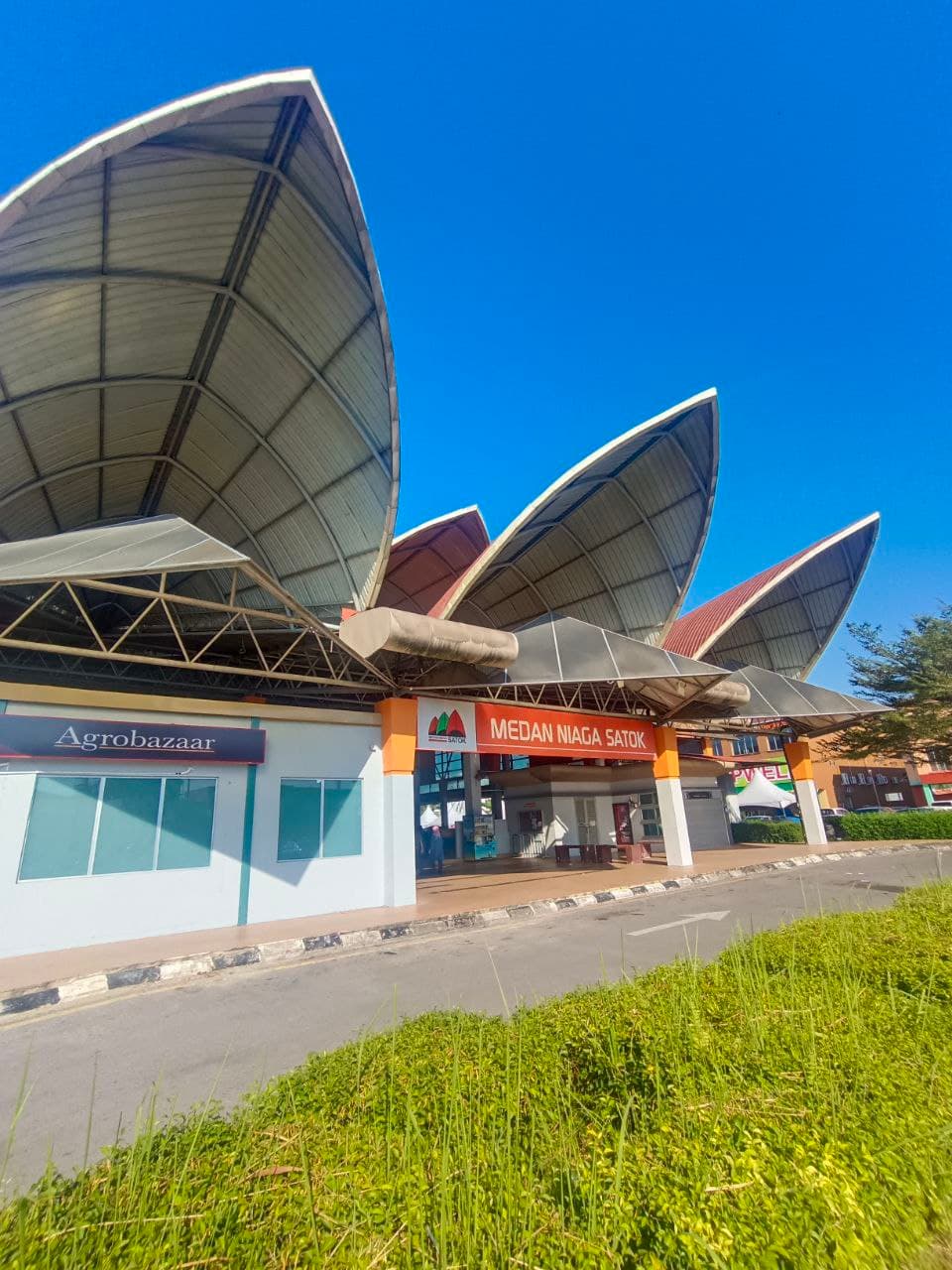
Ask before photographing vendors. Check ingredients and halal suitability with each stall, and carry small notes for market purchases.
Heritage is part of modern life. Approach each encounter with respect for the people who keep it moving forward.
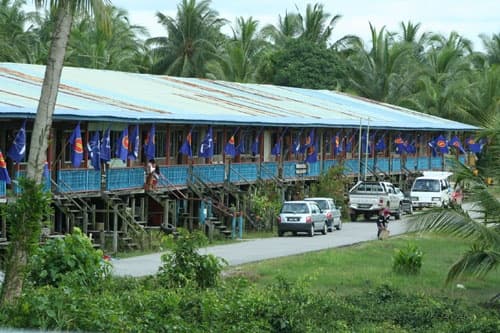
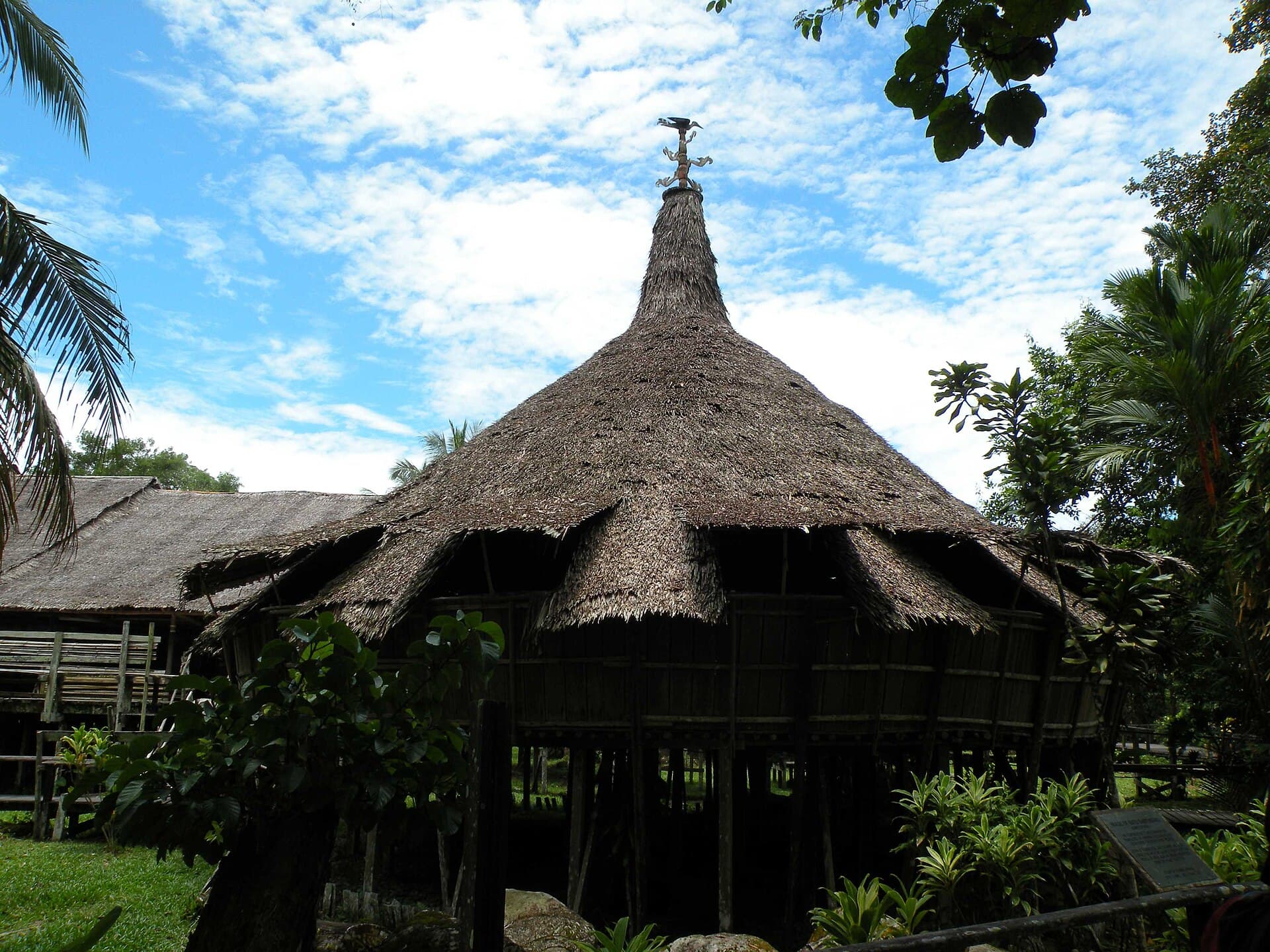
A longhouse is a home and a shared social space. Sarawak’s communities have distinct languages, histories and ways of living; a visit is a chance to listen to your hosts and understand the place through their stories.
Arrange a visit with a community host or local guide. Ask what is welcome before arriving, and ask permission before photographing people or entering private spaces.
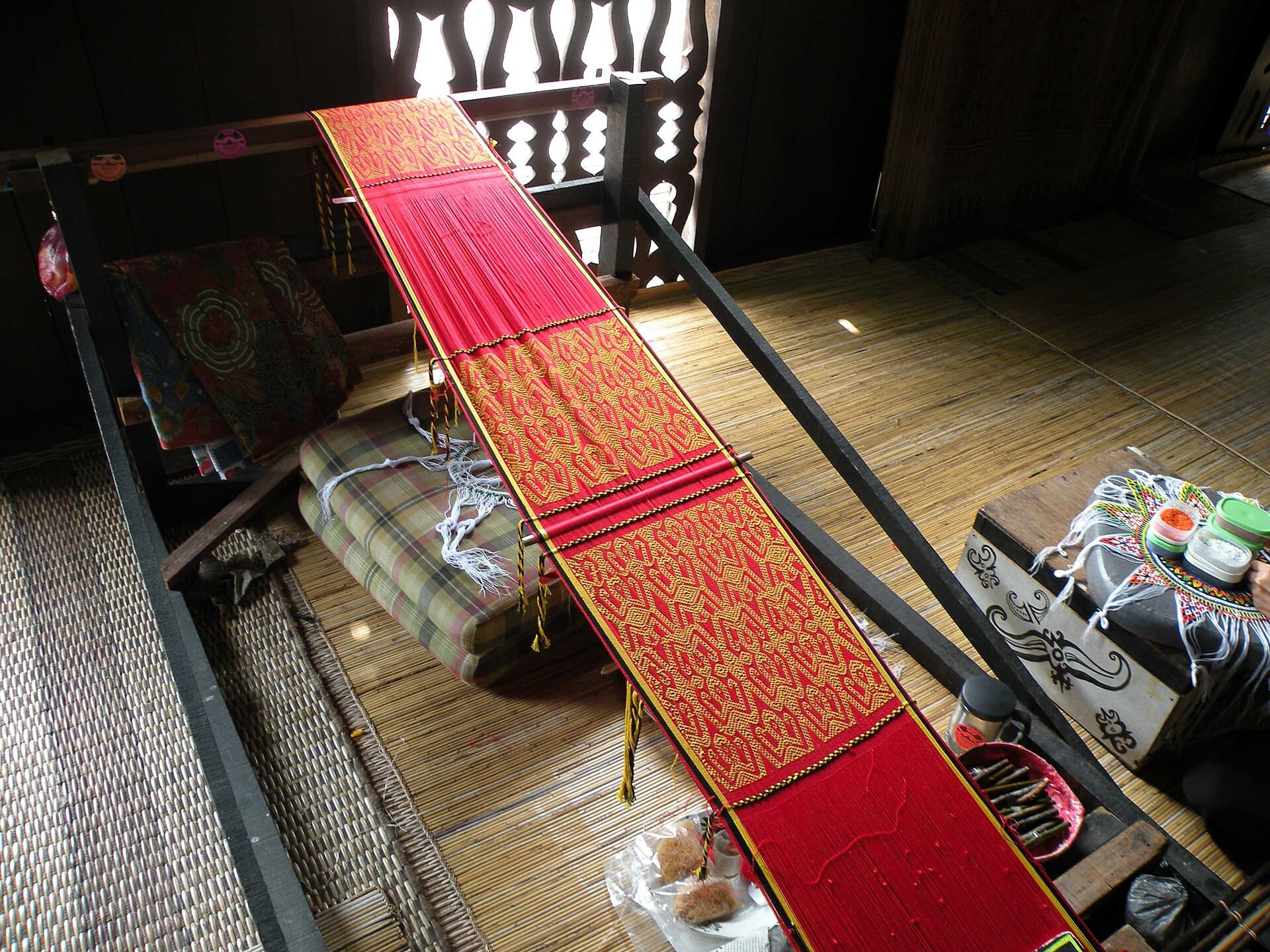
Iban pua kumbu weaving carries knowledge across generations. Alongside it, beadwork, basketry and Malay textiles reveal different expressions of Sarawak’s creativity. Meet the maker, ask about the process, and give the work time to speak.
Look for maker-led demonstrations and ask who made a piece. Buying directly from an artisan helps keep skills and income in the community.
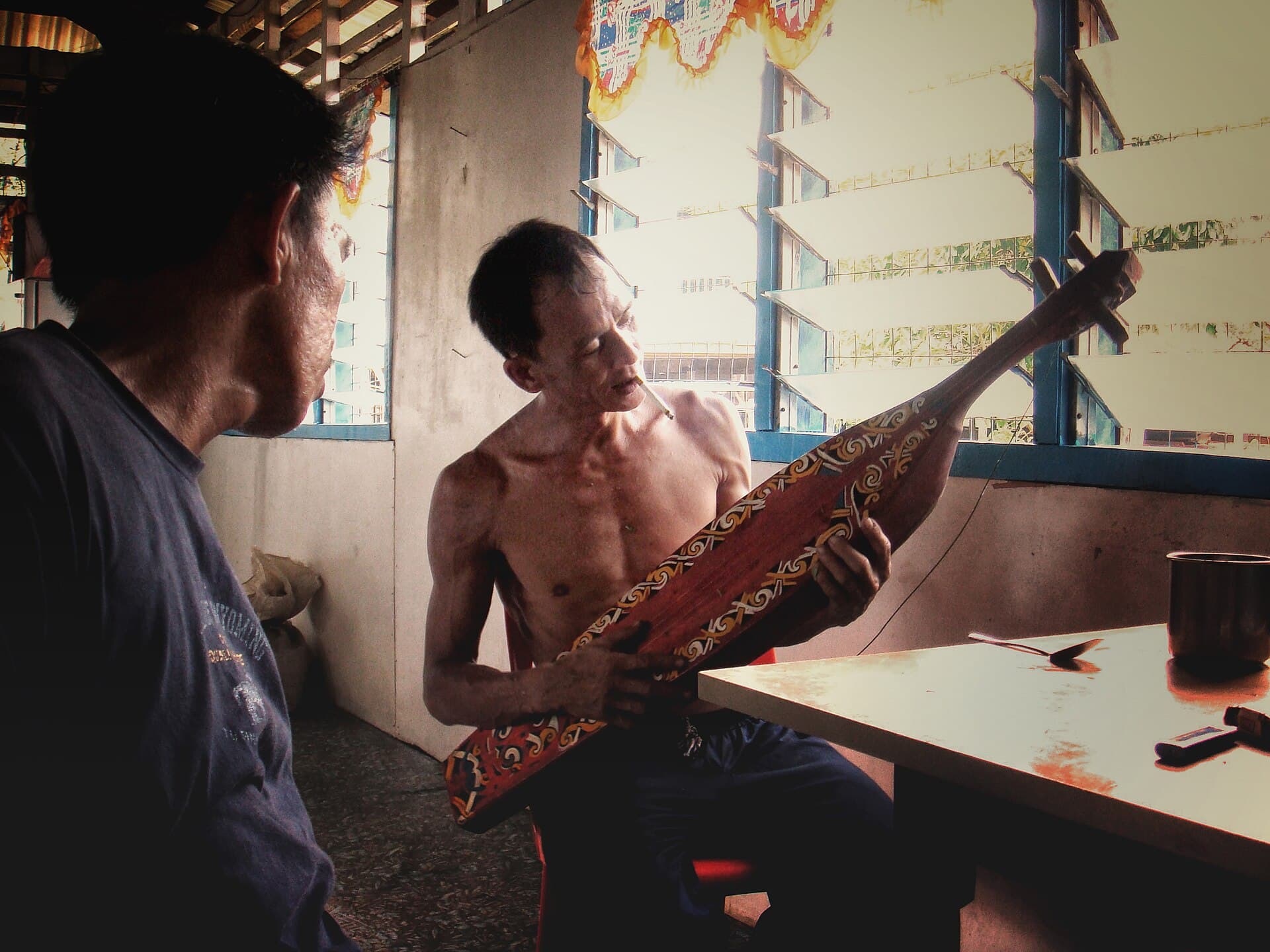
The sape is a plucked string instrument associated with Orang Ulu communities. Today, musicians bring its sound to intimate performances and contemporary stages. Dance, too, is a living practice: Iban ngajat is one of Sarawak’s distinctive traditions.
Check the official programme before travelling for a performance. Cultural Village demonstrations can provide an introduction; listen to how performers describe their own traditions.
Different places, different traditions. A few glimpses of a culture that keeps evolving.
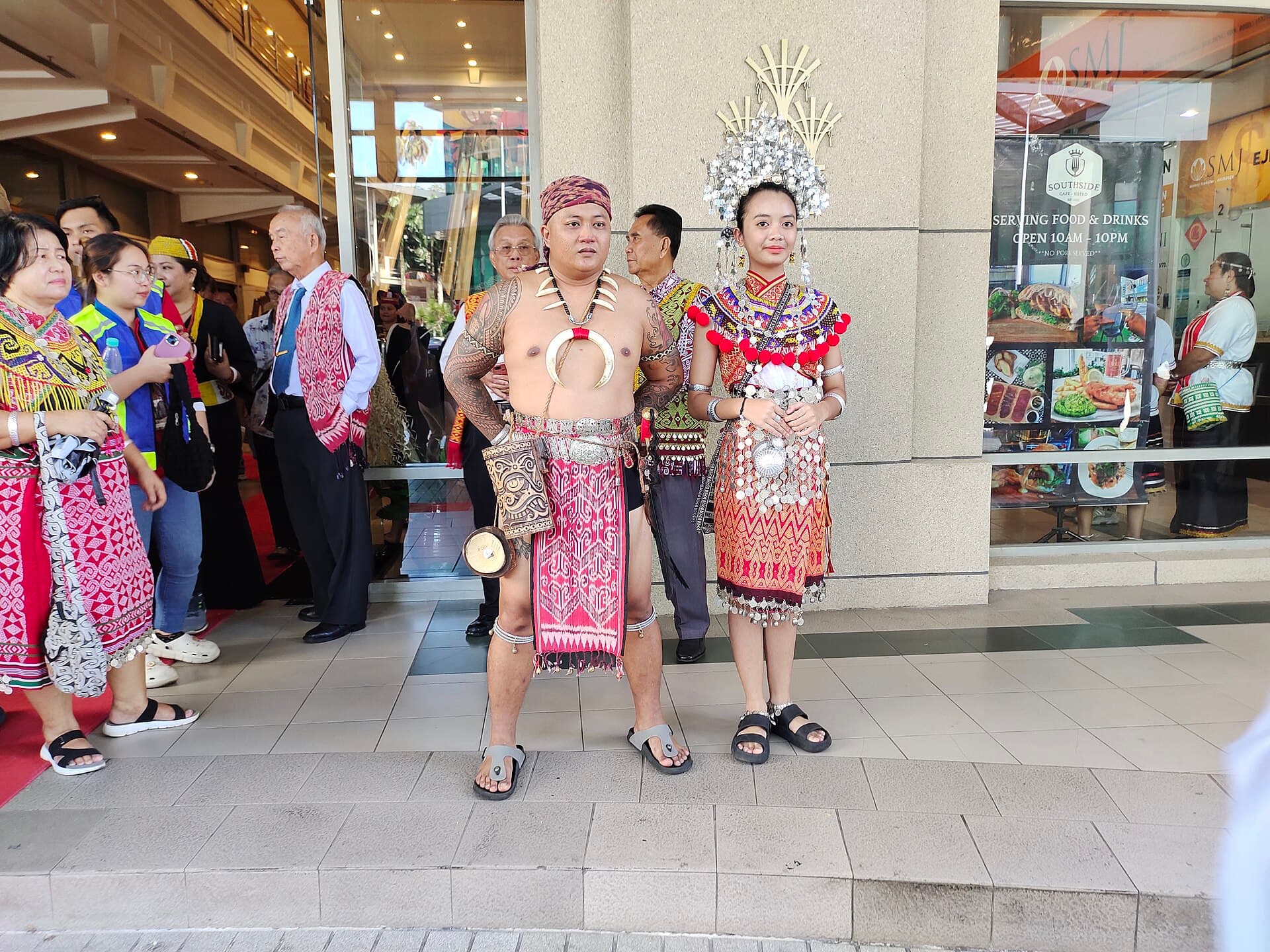
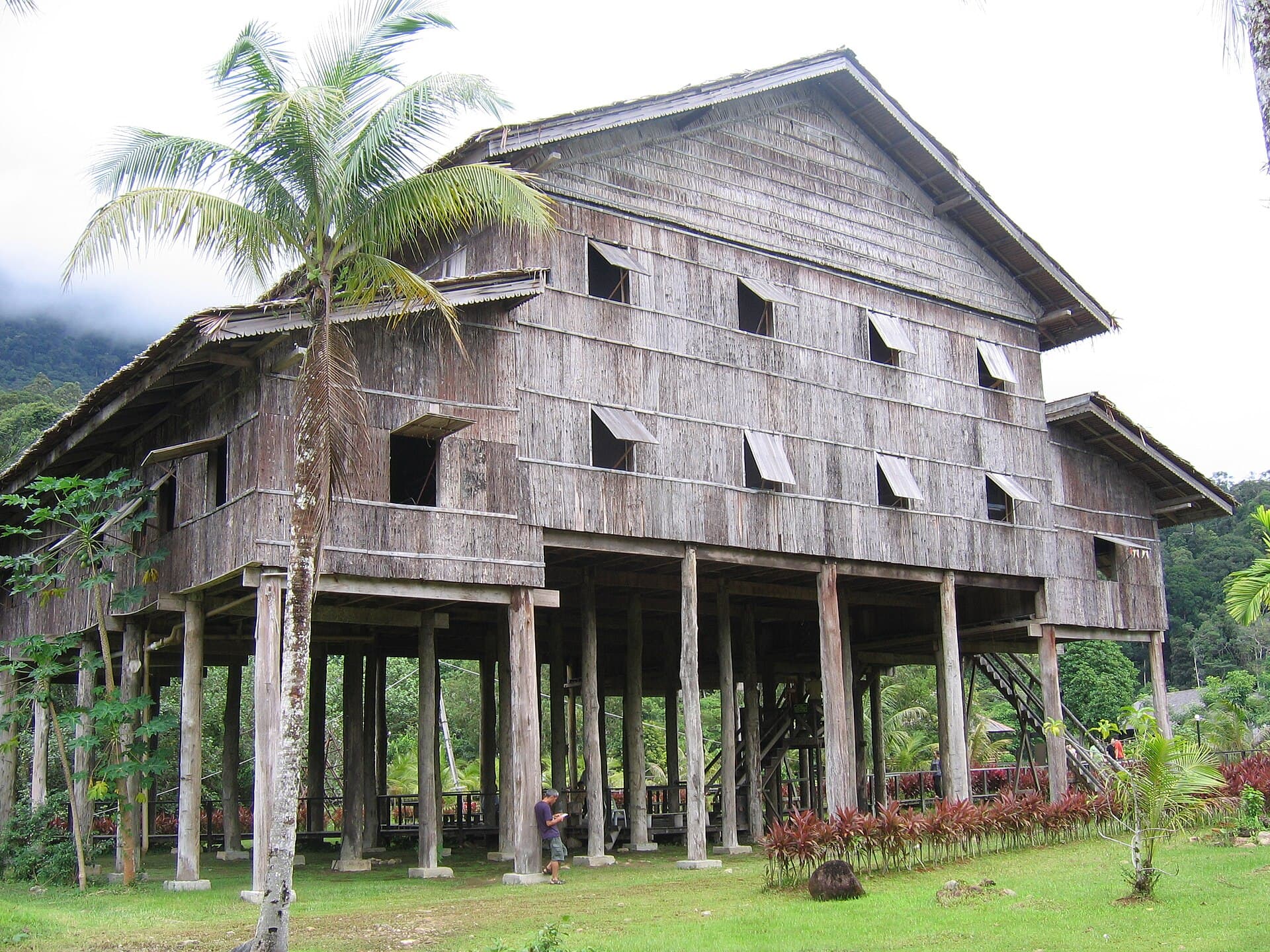
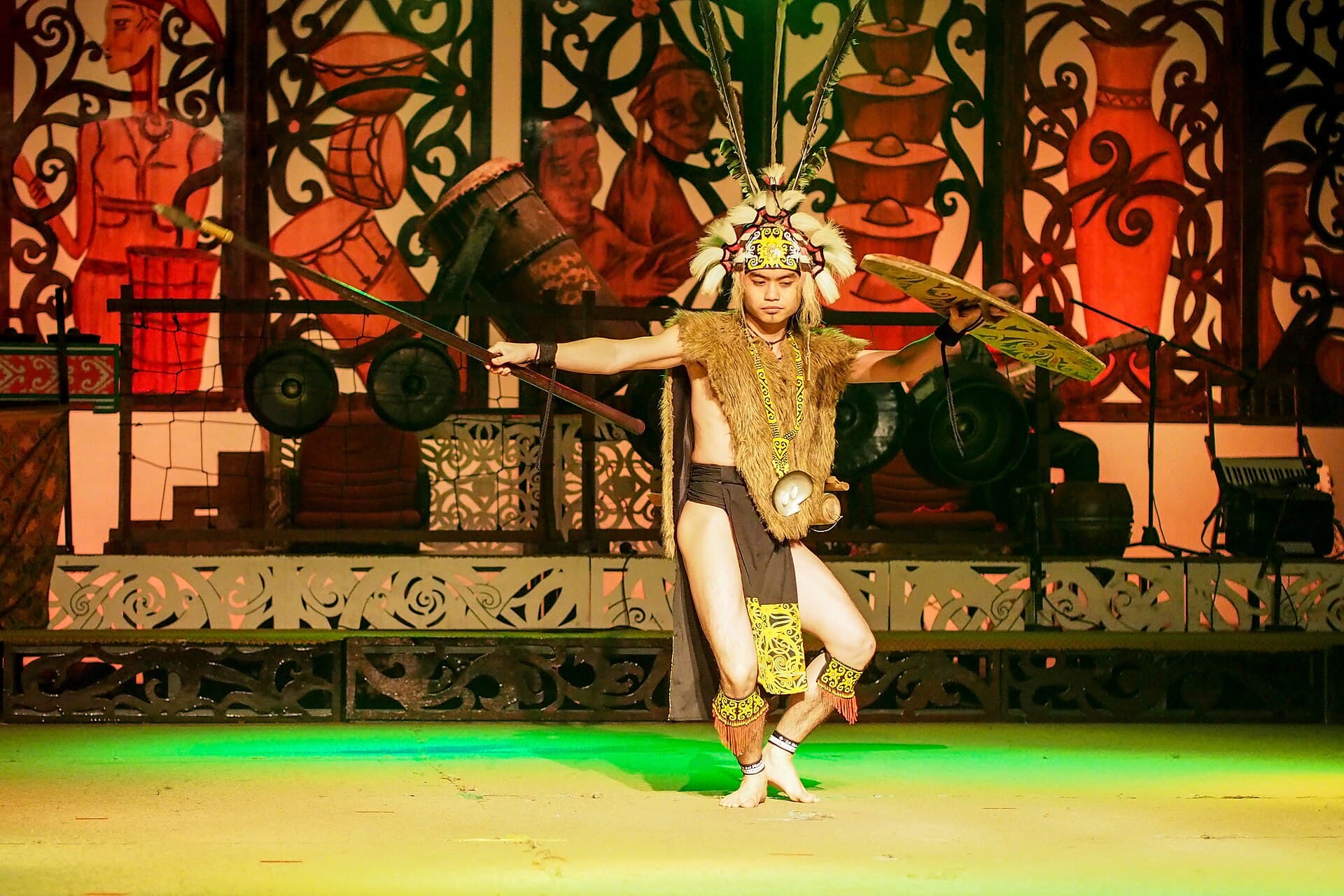
A suggested day in Kuching, with space to stop for whatever catches your eye. Check current opening hours before setting out.
Start with laksa or kolo mee, then explore the shophouses around Carpenter Street. Take your time around places of worship and follow posted visiting guidance.
Visit the Borneo Cultures Museum for an introduction to the region’s people and heritage. Leave room for lunch and a slow afternoon.
Explore craft shops around the Main Bazaar. Ask about the maker, materials and meaning of a piece before choosing something to take home.
Walk the Kuching Waterfront and Darul Hana Bridge as the light softens. Finish with dinner and a view of the river.
Consider Sarawak Cultural Village near Damai for an introduction to traditional architecture and performances. Arrange transport separately and check the programme with the venue.
Visit the official village website ↗Arrange your visit with a host or a local operator first. Longhouses are people’s homes; access, activities and photography rules depend on the community. A cultural village visit is a different experience from staying with a host community.
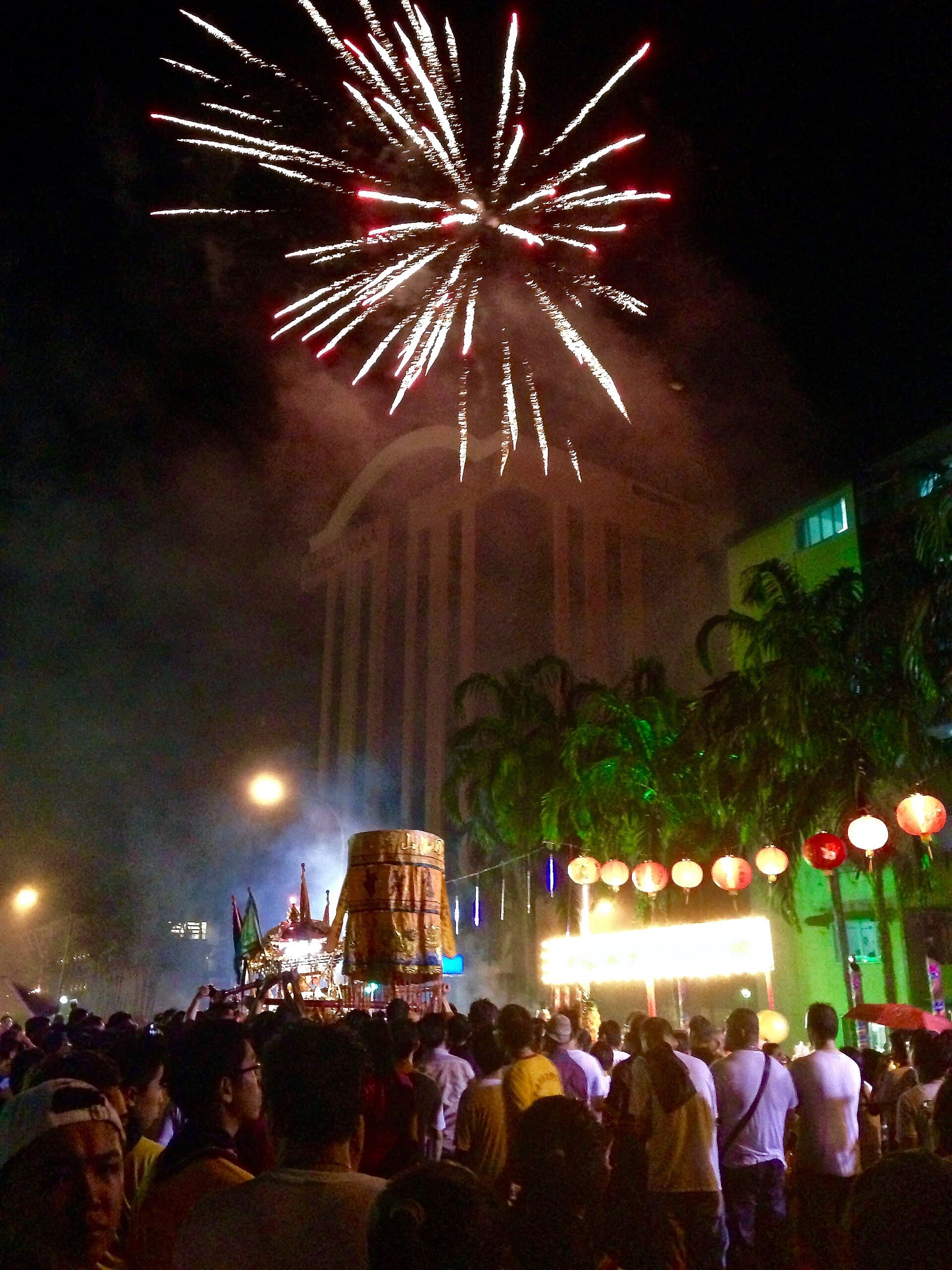
Gawai Dayak is celebrated on 1 and 2 June. Community celebrations and public programmes vary. Join an advertised public event or attend by invitation; do not assume every home is open to visitors.
Choose light clothing and comfortable shoes, bring rain protection, and follow your host’s guidance on dress and removing footwear. Ask before photographing ceremonies, sacred objects or people.
Use Sarawak Tourism Board and the venue’s own website for current programmes, access and opening hours. This guide avoids fixed prices and schedules because these can change.
Further reading: Sarawak Tourism Board: culture · Sarawak Museum Department · Sape & music · Gawai Dayak
Documentary photographs from Wikimedia Commons, displayed with responsive crops. Historic photographs illustrate traditions and places; they do not indicate current event schedules.


.jpg)


