Sarawak eats differently from the rest of Malaysia, and it is not a small difference. Cross the South China Sea from the peninsula and the staples change, the sourness changes, the herbs change — even the noodles change. Some of that comes from the state’s Chinese communities, particularly the Foochow of Sibu; some from the Malay and Melanau coast; and a great deal from the Dayak interior, where the cooking method is often the recipe. What follows is what is actually worth going out of your way for.
Start with the laksa
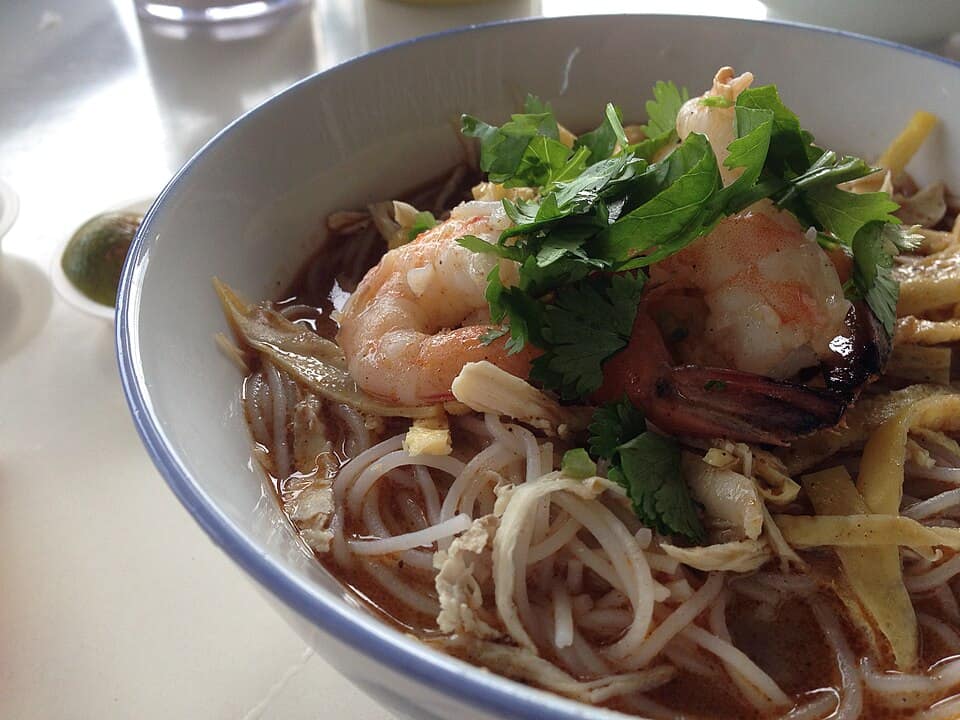
Sarawak laksa is the bowl most visitors are told to order first, and it deserves the reputation. It is not curry laksa and it is not assam laksa — the broth is built on a sambar paste of lemongrass, galangal, tamarind and a long list of aromatics, loosened with coconut milk, then poured over vermicelli with shredded chicken, prawns, strips of omelette and a wedge of lime. Kuching eats it for breakfast, standing up, at coffee shops that will have sold out by mid-morning.
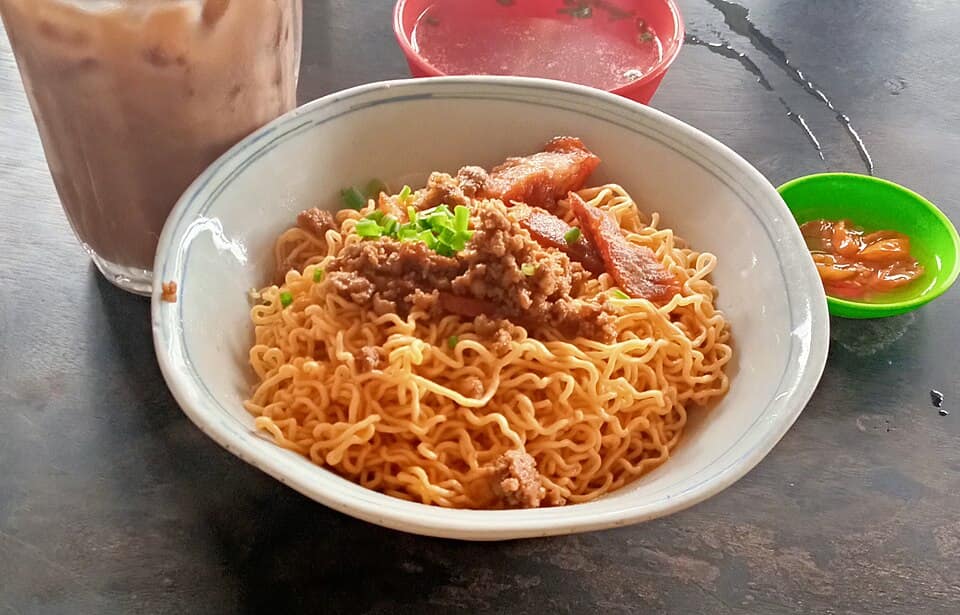
The other everyday bowl is kolo mee: springy egg noodles tossed dry with shallot oil and topped with char siu, minced pork and spring onion. Where laksa is an occasion, kolo mee is the default — the thing people eat without thinking about it, several mornings a week, for a couple of ringgit.
Cooking from the longhouse
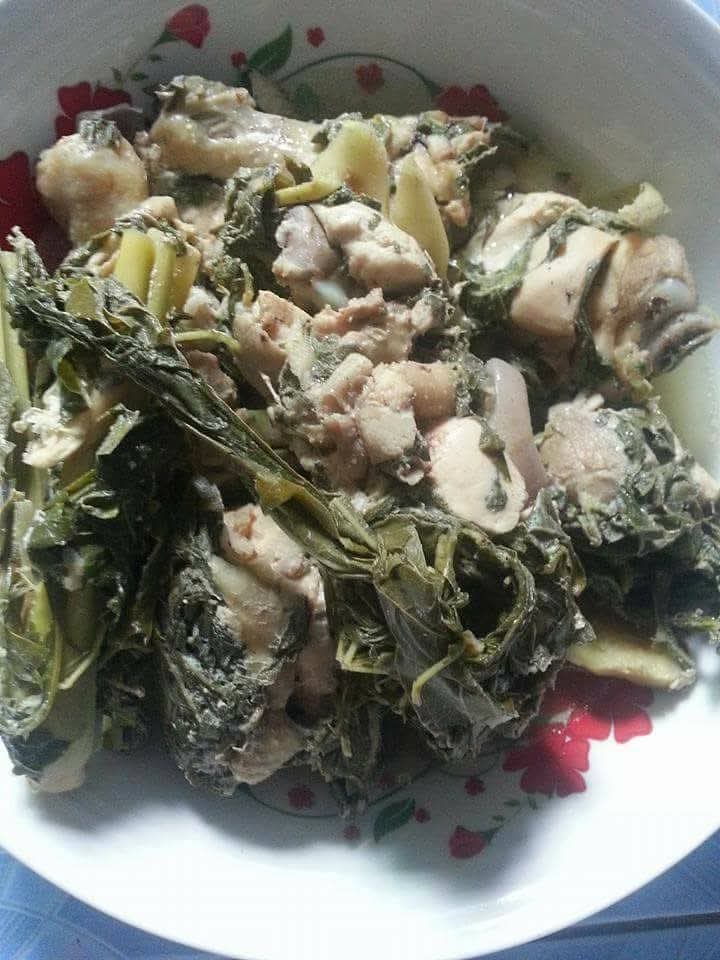
Inland, the technique defines the dish. Manok pansoh — chicken packed into a bamboo tube with lemongrass and tapioca leaves and set over an open fire — is the clearest example: the bamboo is the pot, and the steam inside it does everything. It is a fixture of Gawai Dayak, when longhouse doors open to anyone who walks up, and one of the dishes most likely to be put in front of a visitor on an Iban longhouse visit.
On the coast, the Melanau built a whole cuisine around the sago palm, and around raw fish: umai is thin slices of fish “cooked” only in lime juice with chilli, shallot and sometimes torch ginger, eaten with sago pearls. It is closer to a ceviche than to anything else in Malaysian cooking, and it is genuinely regional — you will find it around Mukah far more easily than in Kuching.
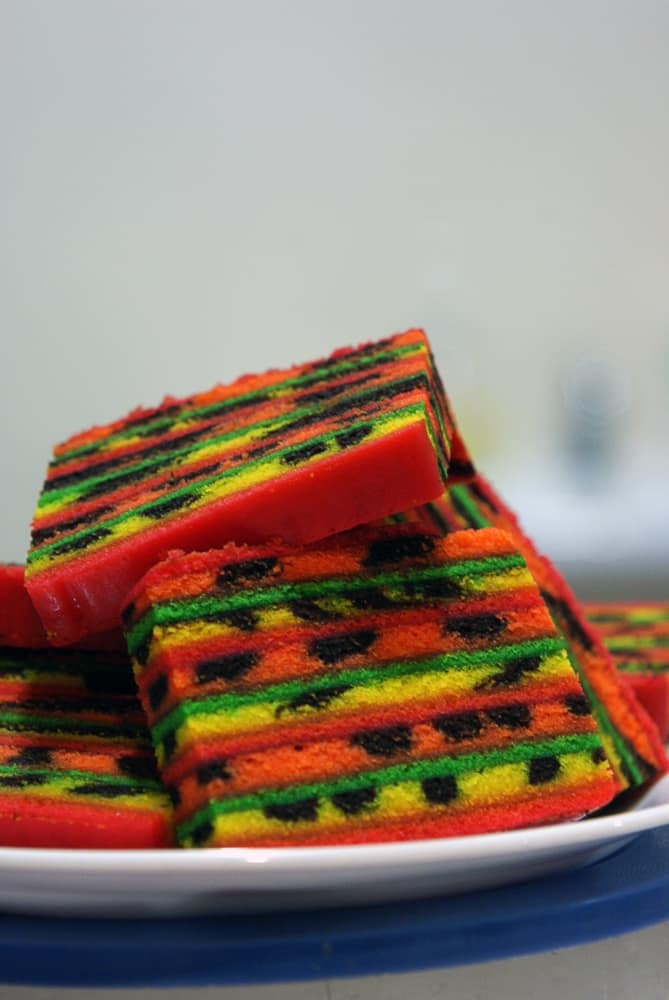
Then there is kek lapis Sarawak, which is less a cake than a feat of patience: each bright layer is baked and grilled separately before the next goes on, then the slab is cut and reassembled into patterns. It is a Hari Raya and open-house staple, sold year-round in Kuching by bakeries who will let you pick layers by the slice.