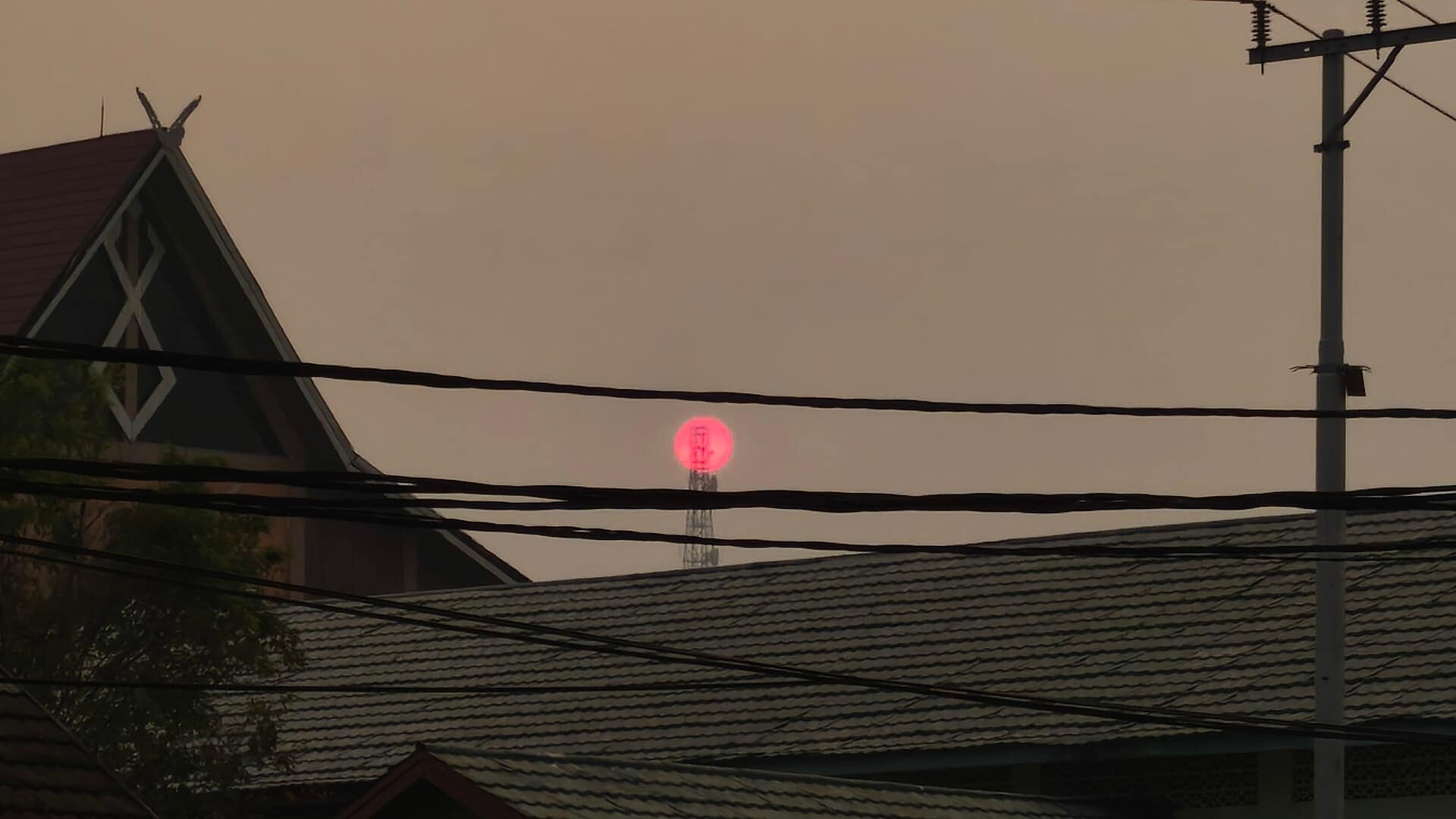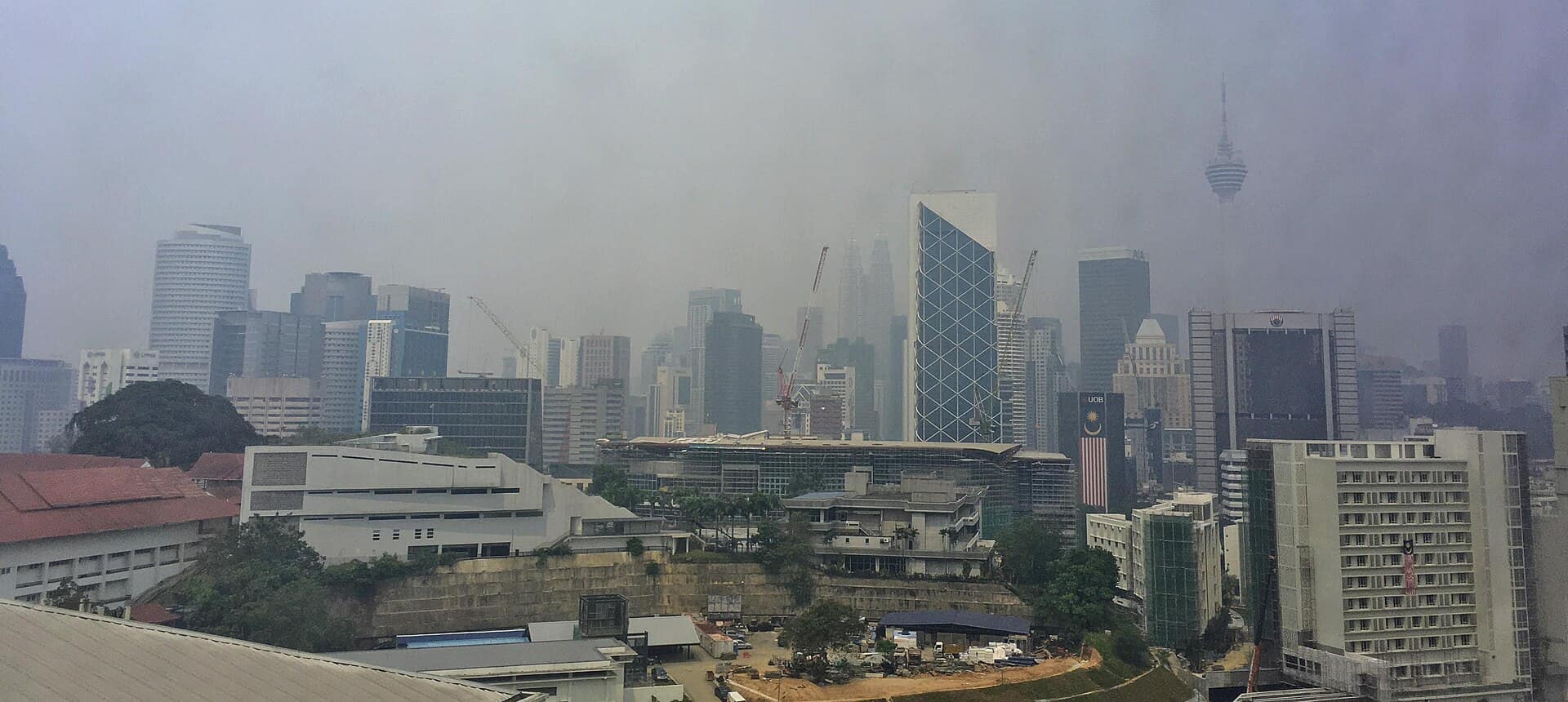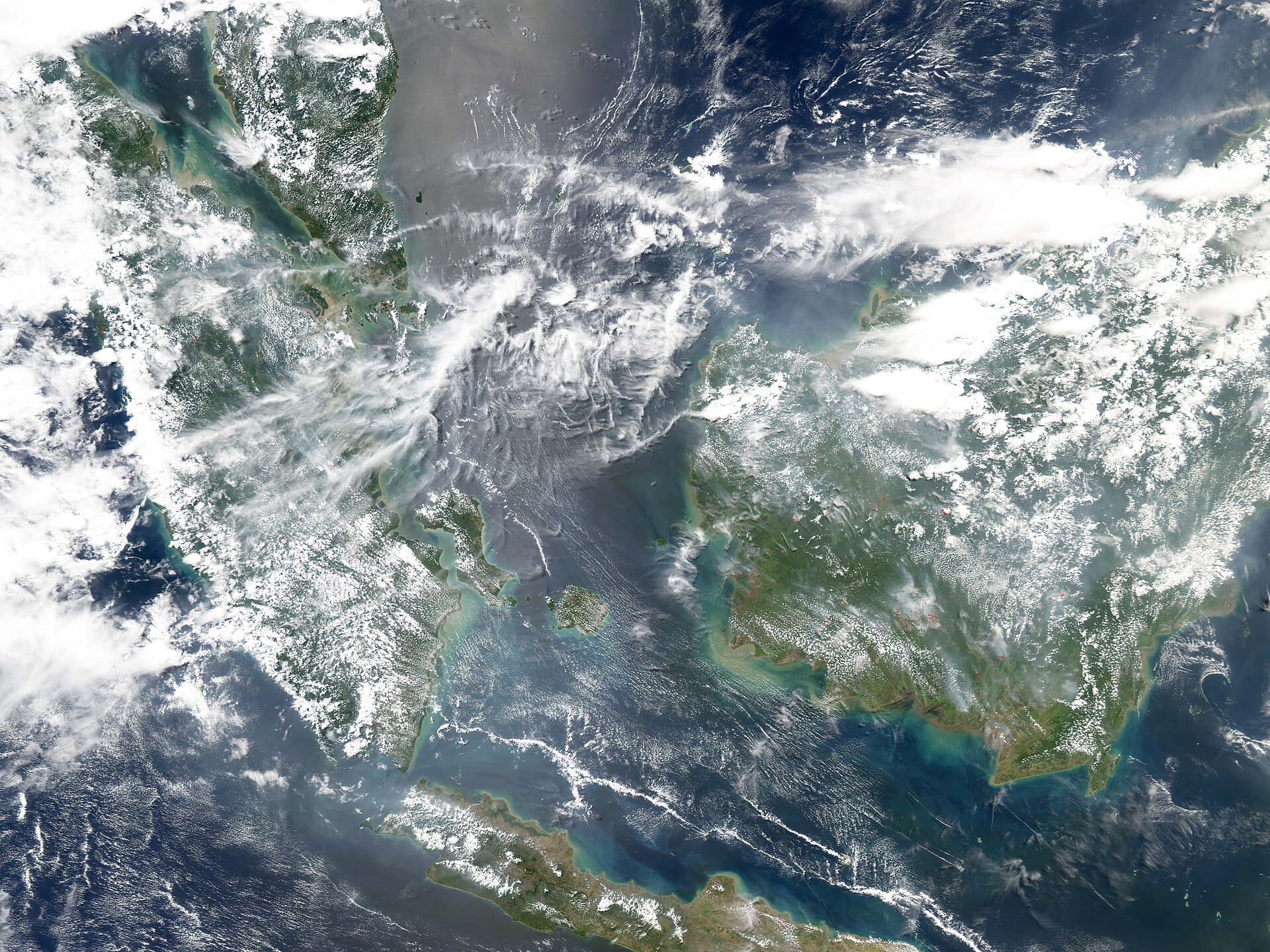
Four areas in Sarawak were in the unhealthy air-quality band at 9am on Friday 25 September, down from 13 on Wednesday morning. Serian district police headquarters, the station that has read worst through this week, recorded 178, followed by Kuching at 166, Samarahan at 165 and Sri Aman at 163, according to figures from the Malaysian Air Pollutant Index Management System (APIMS) reported by Bernama.
That puts Serian back under 200, the reading at which the Sarawak Education Department closes schools, a day after all 108 schools in the district switched to home-based teaching. No other station in Sarawak was in the unhealthy band at that hour.
How the readings fell across four days
The published snapshots are taken at different times of day, so they are not exact like-for-like comparisons. Read in order, they show the unhealthy area shrinking and the worst readings concentrating in the south-west of the state:
- Tuesday 22 September, 4pm: 11 areas unhealthy. Sibu was highest at 175, followed by Mukah and Sri Aman at 172 each, Sarikei at 160, and Kuching and Serian at 159 each (Bernama).
- Wednesday 23 September, 9am: 13 areas unhealthy. Sri Aman and Serian were joint highest at 180, with Kuching at 175, Sibu at 171 and Kapit at 118 (Bernama).
- Wednesday 23 September, 10pm: Serian reached 217 (Bernama).
- Thursday 24 September, 8am: Serian was very unhealthy at 218. Nine other Sarawak areas were unhealthy, led by Kuching at 195, Samarahan at 188 and Bintulu at 170 (Bernama).
- Friday 25 September, 9am: four areas unhealthy, none very unhealthy, with Serian highest at 178 (Bernama).
Stations further north and east dropped out of the unhealthy band. On Wednesday, Mukah read 161, Miri 159, Limbang 153 and Kapit 118, and Sibu read 171 (Bernama). None of them appeared among the unhealthy readings on Friday morning.
What the numbers mean
The Air Pollutant Index uses five bands, which Bernama's reports set out in the same terms each day:
- 0 to 50: good
- 51 to 100: moderate
- 101 to 200: unhealthy
- 201 to 300: very unhealthy
- above 300: hazardous
Friday's four readings all sit in the upper half of the unhealthy band. Easing means the readings have come down from very unhealthy. It does not mean the air is clean. Our haze guide explains how the index is measured and what each band means for time outdoors.
What the 200 line decides for schools
The Sarawak State Education Department (JPNS) set out its thresholds in a statement on 12 September:
- Above 100, all outdoor activities involving students must stop.
- Above 200, schools in the affected area or district must close immediately.
- Above 500, teachers and school staff are not required to report for duty.
- Schools reopen once the reading falls below 200.
That rule is why Serian's schools shut this week. The department closed all 108 of the district's schools on Thursday after the reading passed 201 on Wednesday night, and moved them to home-based teaching and learning, known as PdPR (Bernama).
When it closed schools in Lubok Antu and Kanowit on 21 September, the department said that once readings trended below 200, heads could take steps to prepare for reopening. Friday's 178 meets that test for Serian on a single reading. The decision to reopen belongs to the department. Parents should check the department's official channels before sending children back.
The department has also said parents may keep children at home if they are worried about their health, provided they tell the school. Closures can also follow recommendations from the Sarawak State Disaster Management Committee (Bernama).
Why this week follows an earlier shutdown
This is the second round of school closures this month. On 4 September the department announced that 647 schools would close from 7 to 11 September: 563 primary schools with 108,477 pupils and 84 secondary schools with 90,082 pupils, spread across 12 district education offices including Kuching, Serian, Sri Aman and Lubok Antu (Bernama).
By 12 September, schools in 12 districts, including Kuching, Lundu, Samarahan, Sri Aman, Kanowit and Bintulu, were told they would reopen on 14 September. Serian and Lubok Antu stayed shut until their readings fell below 200 (Bernama). Readings then climbed again in the week of 21 September.
Where to check the reading yourself
The Education Department bases its decisions on the Department of Environment's APIMS portal and on reports from the Malaysian Meteorological Department, and it tells schools to watch the portal for their own area (Bernama). A single hourly figure can move quickly. Friday morning's reading does not predict the afternoon's, which is why the department ties reopening to a downward trend rather than to one number.
For households in Kuching, Samarahan and Sri Aman, which are still unhealthy, the rule on outdoor activity above 100 still applies to schools. Our practical guide to getting through the haze covers masks and time outdoors, and our explainer on this season's haze sets out what is burning and why the smoke reaches Sarawak.
Sources
- News - Official Website of Natural Resources & Environment Board Sarawak — Natural Resources and Environment Board Sarawak
- BERNAMA - Four Areas In Sarawak Record Unhealthy API As At 9 Am — Bernama
- BERNAMA - Haze: Serian Records Very Unhealthy Air Quality — Bernama
- BERNAMA - 13 Areas In Sarawak Record Unhealthy API Readings As Of 9 Am — Bernama
- BERNAMA - 11 Areas In Sarawak Record Unhealthy Air Quality — Bernama
- BERNAMA - Haze: All Serian Schools To Close Temporarily Tomorrow — Bernama
- BERNAMA - Schools In Serian, Lubok Antu To Remain Closed Until Haze Improves — Bernama
- BERNAMA - Haze: Schools In Lubok Antu, Kanowit Closed Today — Bernama
- BERNAMA - Haze: 647 Schools In S’wak To Close Temporarily - Education Dept — Bernama