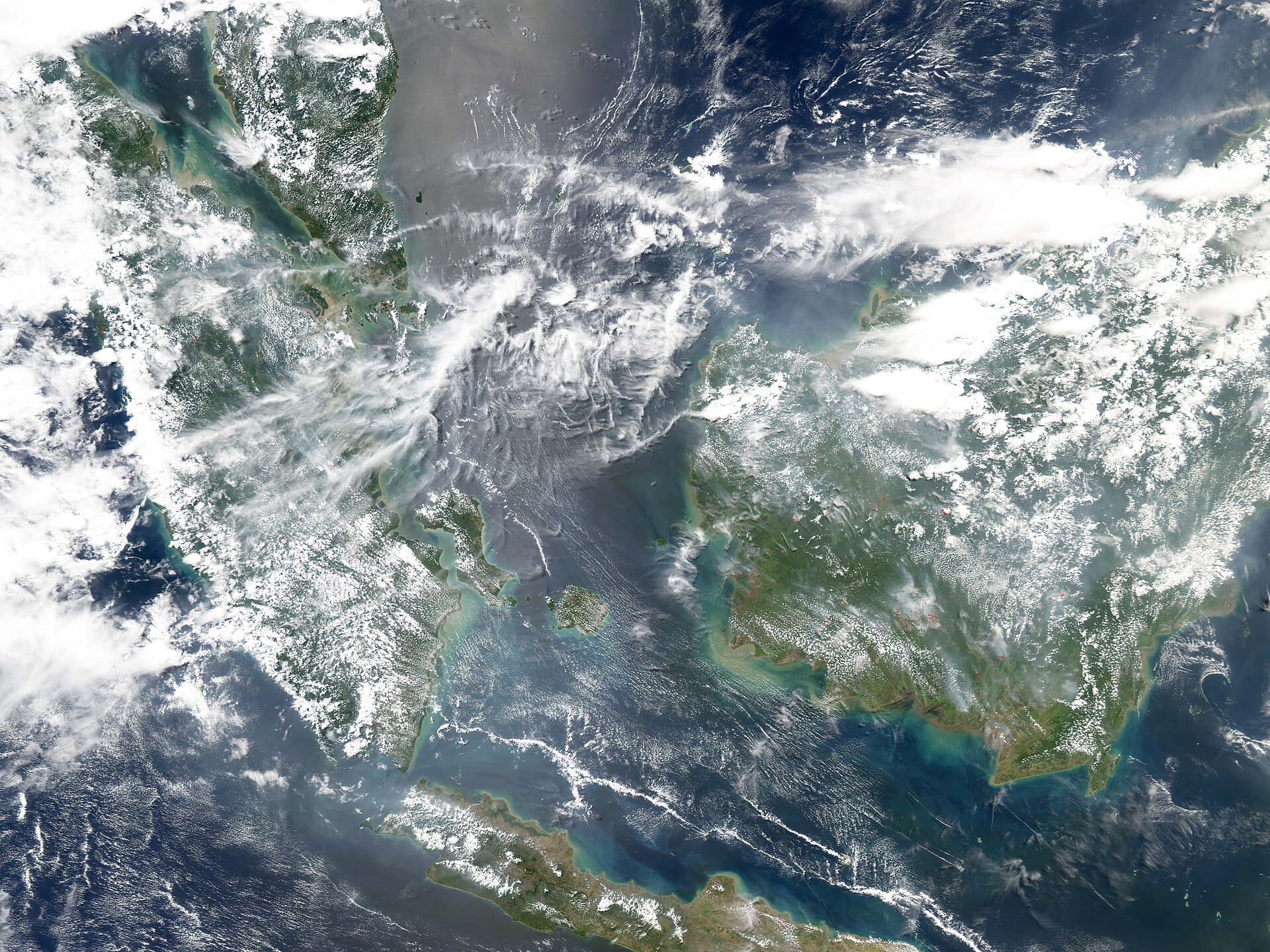
Sarawak's response to haze is set by a few fixed points on the Air Pollutant Index (API). Above 100, schools must stop outdoor activity. Above 200, schools in the affected district close and event organisers are told to reconsider outdoor sport. At 500, offices close except essential services. Outside schools, most decisions about events still rest with the organiser, not the state, the Sarawak Disaster Management Committee (SDMC) said.
You can follow the day's air on our haze page, which links to the official readings.
What the API bands mean
The index is published hourly by station on the Department of Environment's Air Pollutant Index Management System (APIMS) portal. The bands, as Bernama restates them, are:
- 0 to 50: good
- 51 to 100: moderate
- 101 to 200: unhealthy
- 201 to 300: very unhealthy
- above 300: hazardous
Readings vary sharply between stations and through the day. At 12.30pm on 30 August, Serian's station read 412, Samarahan 332 and Kuching 304, while Miri was at 159, according to APIMS figures reported that day. By 9am on 25 September, the worst four stations in the state were all in the unhealthy band: Serian at 178, Kuching at 166, Samarahan at 165 and Sri Aman at 163 (Bernama).
Above 100: school sport and assemblies stop
The Education Ministry's rule is the strictest and applies earliest. On 26 August its director-general, Dr Mohd Azam Ahmad, directed every institution under the ministry to suspend outdoor activities, gatherings and outdoor sports wherever the API is above 100. The directive rests on two circulars:
- MoE Circular No. 5/2016, dated 26 April 2016, on protecting pupils in prolonged hot and dry weather
- MoE Circular No. 1/2019, dated 15 January 2019, on schools in areas where haze is critical
Sports events at Malaysian Schools Sports Council (MSSM) level are moved indoors or to safer areas as readings require, and schools are told to keep clean drinking water available and to watch the APIMS portal themselves (Bernama).
Above 200: schools close and organisers are told to rethink
Two things change once a reading crosses 200.
First, the ministry's guidelines require all schools in the affected district or area to close, Deputy Education Minister Wong Kah Woh said on 28 August, when 30 schools in Lubok Antu shut. The Sarawak State Education Department (JPN) orders the closure, and school heads, the JPN and district education offices decide when to reopen based on the readings. Lessons move to home-based teaching and learning (PdPR). When Serian's reading passed 201 on the night of 23 September, all 108 schools in the district were closed the next day. The largest closure so far ran from 7 to 11 September and covered 647 schools, with 108,477 primary pupils and 90,082 secondary students.
Second, the SDMC's advice to event organisers hardens. Where the API exceeds 200, organisers are strongly advised to reconsider outdoor physical activity, sport and strenuous exercise, especially where children, the elderly or other vulnerable people are involved. The alternatives it lists are moving indoors, changing the activity, or postponing.
Who decides whether an event goes ahead
For official, private and community events, the SDMC said on 30 August that the choice to proceed, postpone or cancel remains with the organiser unless a relevant authority issues a specific directive. That is advice, not a ban.
Sport sits under a second layer. Youth and Sports Minister Dr Mohammed Taufiq Johari said on 6 September that outdoor activity in red-zone areas would not be permitted, that sport could continue where readings are safe or moderate, and that proposed sports events need his ministry's approval based on government guidelines and the local API.
Government events follow the same logic. The Cabinet kept the 16 September Malaysia Day celebration in Kuching but moved it indoors and dropped the outdoor events, with Kuching at 318 and Serian at 320 on the morning of the decision.
At 500: offices close and an emergency can follow
The top of the scale moves the decision from organisers to the state. The SDMC said that if the API exceeds 500, government and private offices and workplaces close, except essential services, pending a Disaster Emergency declaration by the National Disaster Management Agency (NADMA).
That happened in Serian. After its reading reached 500, the Sarawak government asked for an emergency, and one was declared across the Serian Division on 4 September. Deputy Premier Datuk Amar Douglas Uggah Embas, who chairs the SDMC, said it was not a movement control order: standard operating procedures issued under NADMA directives set out which activities, premises and services may operate. Residents were told to stay at home, cut outdoor activity and wear N95 or equivalent masks outside.
Where to check the readings yourself
Every one of these thresholds is measured against the APIMS portal, at eqms.doe.gov.my/APIMS/main, which is the address the Education Ministry tells schools to monitor. Readings are per station, so a figure in Kuching says little about Miri or Kapit. For school closures, the Education Minister, Datuk Seri Fadhlina Sidek, asked parents to rely on the Sarawak JPN's official channels.
Sources
- BERNAMA - Haze: Organisers In Sarawak Urged To Assess Conditions Before Events - SDMC — Bernama
- BERNAMA - Four Areas In Sarawak Record Unhealthy API As At 9 Am — Bernama
- BERNAMA - Haze: MoE Orders Outdoor Activities Suspended Where API Exceeds 100 — Bernama
- BERNAMA - Haze: 30 Schools In Lubok Antu Closed As API Exceeds 200 - Wong — Bernama
- BERNAMA - Haze: All Serian Schools To Close Temporarily Tomorrow — Bernama
- BERNAMA - Parents, School Communities Must Monitor Haze Situation Through Official Channels - Fadhlina — Bernama
- BERNAMA - All Sports Events During Haze Must Comply With Gov't Guidelines - Taufiq — Bernama
- BERNAMA - Malaysia Day Celebration To Proceed At BCCK, No Outdoor Events Due To Haze - Fahmi — Bernama
- BERNAMA - Haze: Serian Emergency Declaration A Safety Measure To Protect Residents - Uggah — Bernama