Skip to content
National ParksBetong Division

Maludam National Park

The largest single stretch of intact peat swamp forest left in Borneo, and the stronghold of the red banded langur — a park to understand rather than to trek.

By · Editor, I Love Sarawak

Facts checked

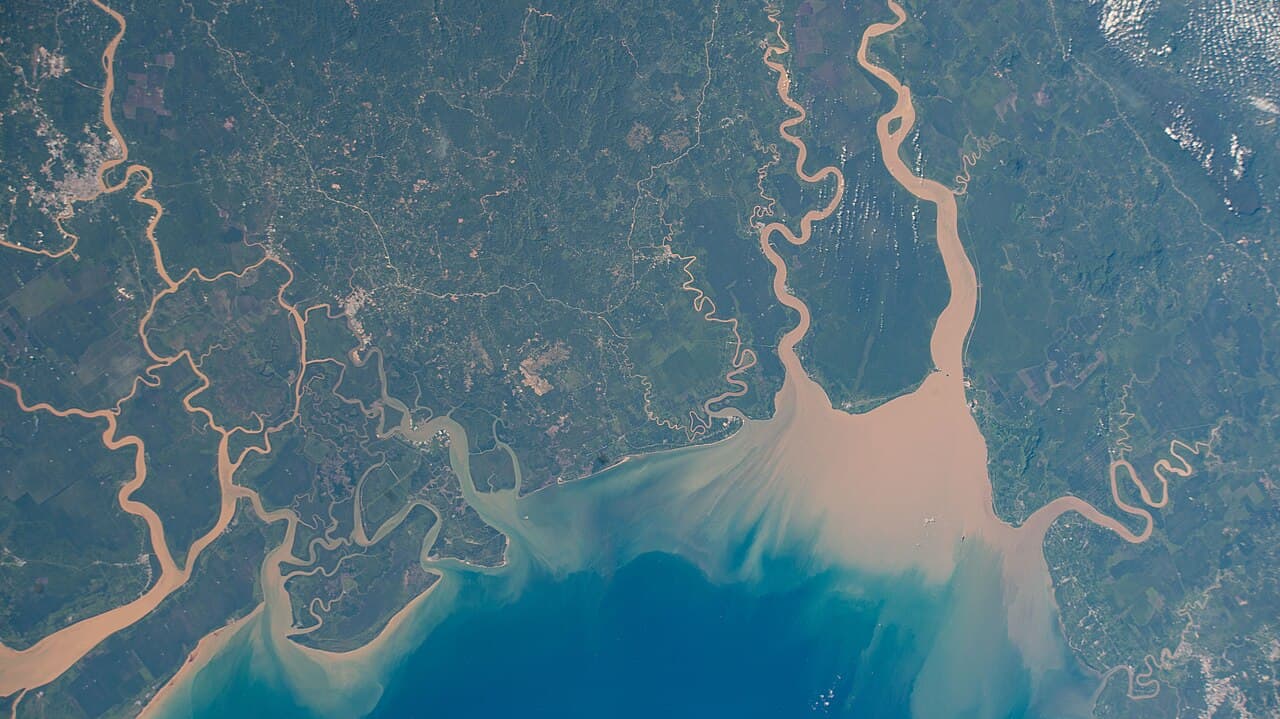
Astronaut photograph from the International Space Station showing the forested Maludam peninsula between two river estuaries
Photo: NASA (Public domain)

The place

Maludam occupies most of a peninsula between the Batang Lupar and the Batang Saribas in Betong Division, and it protects what is generally described as the largest remaining single block of intact peat swamp forest in Borneo. Peat swamp is not scenic in the way a limestone pinnacle is scenic — it is flat, dark-watered, and hard to walk through — but it is among the most important and most threatened forest types in Southeast Asia.

Its best-known resident is the red banded langur, a primate found in this corner of Borneo and almost nowhere else, and Maludam is its stronghold. The park also matters for what it stores: drained peat is the fuel behind the region's annual haze episodes, and intact peat like Maludam's is the counter-example.
Highlights

  1. The largest intact peat swamp forest block in Borneo
  2. The red banded langur, at its main stronghold
  3. Proboscis monkeys and hornbills along the river edges
  4. A working example of the peat forest whose loss drives the haze

Getting there

Ways to reach Maludam National Park, compared
HowFromTakesCosts
BoatBetong or Pusaby boat rather than road; arrangements are best made through Sarawak Forestry or a local operator in advance rather than on arrival

Access is from Betong or Pusa in Betong Division, and is by boat rather than road. This is a park with minimal visitor infrastructure — arrangements are best made through Sarawak Forestry or a local operator in advance rather than on arrival.

Good to know

  • Very limited facilities — not a park to turn up at unannounced
  • Boat access; conditions depend on tide and river state
  • Of most interest to birdwatchers, primate-watchers and anyone following the peat story
  • Permits and arrangements go through Sarawak Forestry Corporation

Related places