Skip to content
WildlifeKuching Division

Matang Wildlife Centre

Orangutan rehabilitation, sun bears and hornbills in forest enclosures on the edge of Kubah — the working counterpart to Semenggoh's feeding platform.

By · Editor, I Love Sarawak

Facts checked

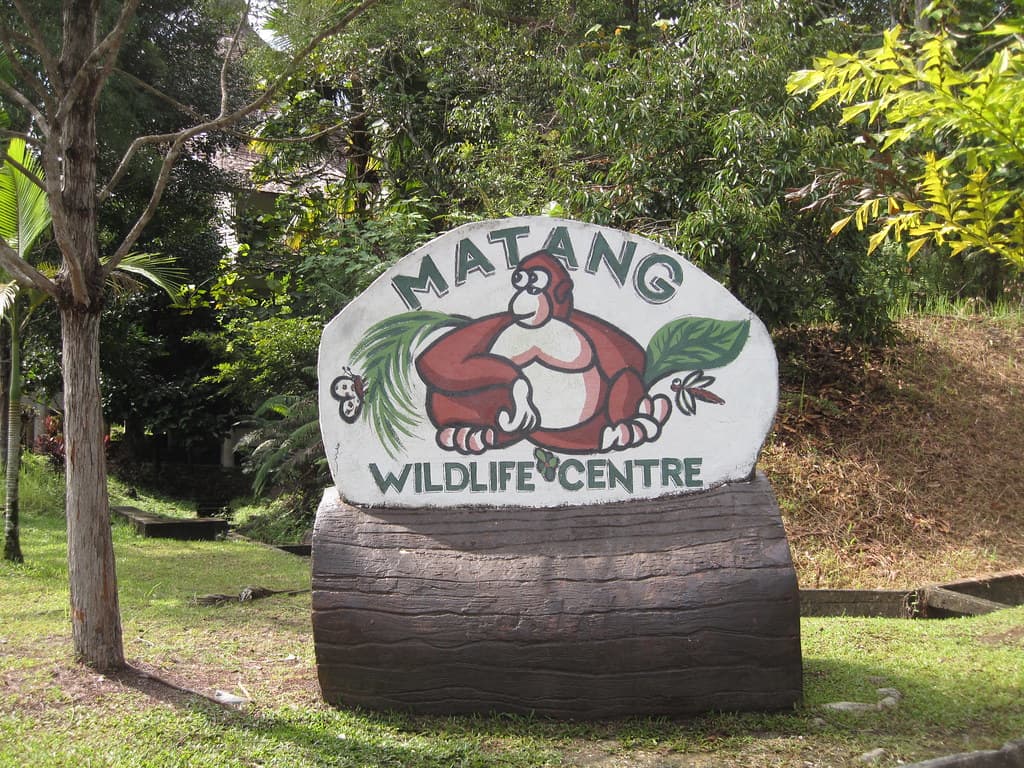
The carved entrance sign for Matang Wildlife Centre, painted with an orangutan, standing in forest
Photo: snowflakegirl (CC BY 2.0)

The place

Matang sits on the edge of Kubah National Park and does the harder, less photogenic half of Sarawak's orangutan work: rehabilitating animals rescued from captivity, many of which cannot simply be released. Alongside the orangutans it holds sun bears, hornbills, crocodiles and sambar deer in forest enclosures.

It is the natural companion piece to Semenggoh, and the contrast is instructive. Semenggoh's residents are semi-wild and turn up at a feeding platform when they feel like it; Matang's are in care. Visitors who want to understand what rehabilitation actually involves get more from Matang than from an hour at a platform.

Highlights

  1. Orangutan rehabilitation enclosures and feeding times
  2. Sun bears, hornbills and crocodiles
  3. Kubah National Park's trails immediately adjacent
  4. A quieter, more explanatory visit than Semenggoh

Getting there

Ways to reach Matang Wildlife Centre, compared
HowFromTakesCosts
DriveKuchingaround 45 minutesabout 35 kilometres north-west, past Matang town on the road towards Kubah
GrabKuchingaround 45 minutespublic transport is thin; most visitors drive or arrange a transfer

Matang is about 35 kilometres north-west of Kuching, past Matang town on the road towards Kubah — around 45 minutes by car or Grab. Public transport is thin; most visitors drive or arrange a transfer.

Good to know

  • Feeding times are the fixed points of the day — time a visit around them
  • Combines with Kubah's trails and frog pond in a single trip
  • Getting back to Kuching without your own transport can be awkward
  • Check current fees and hours with Sarawak Forestry

Related places