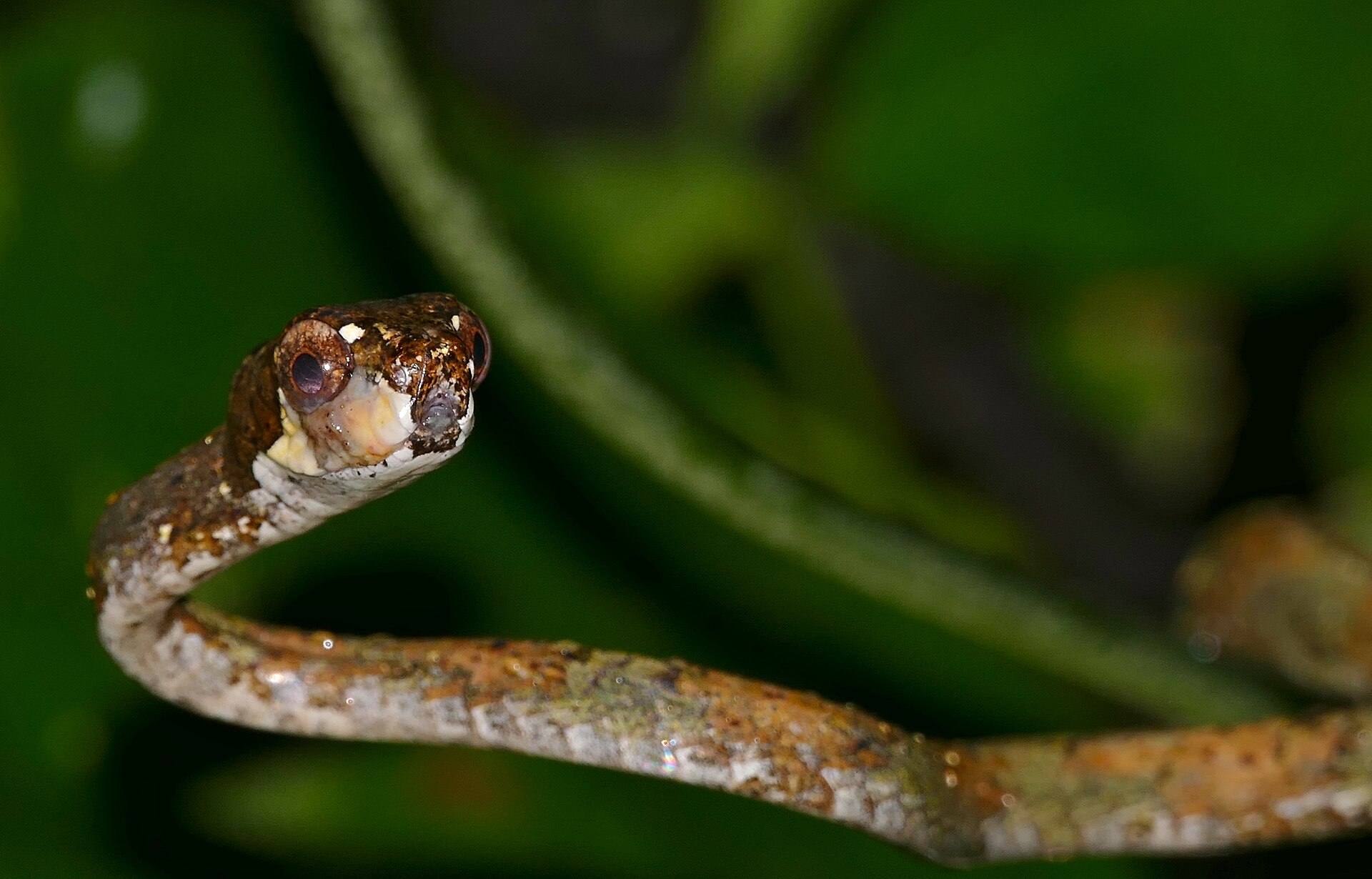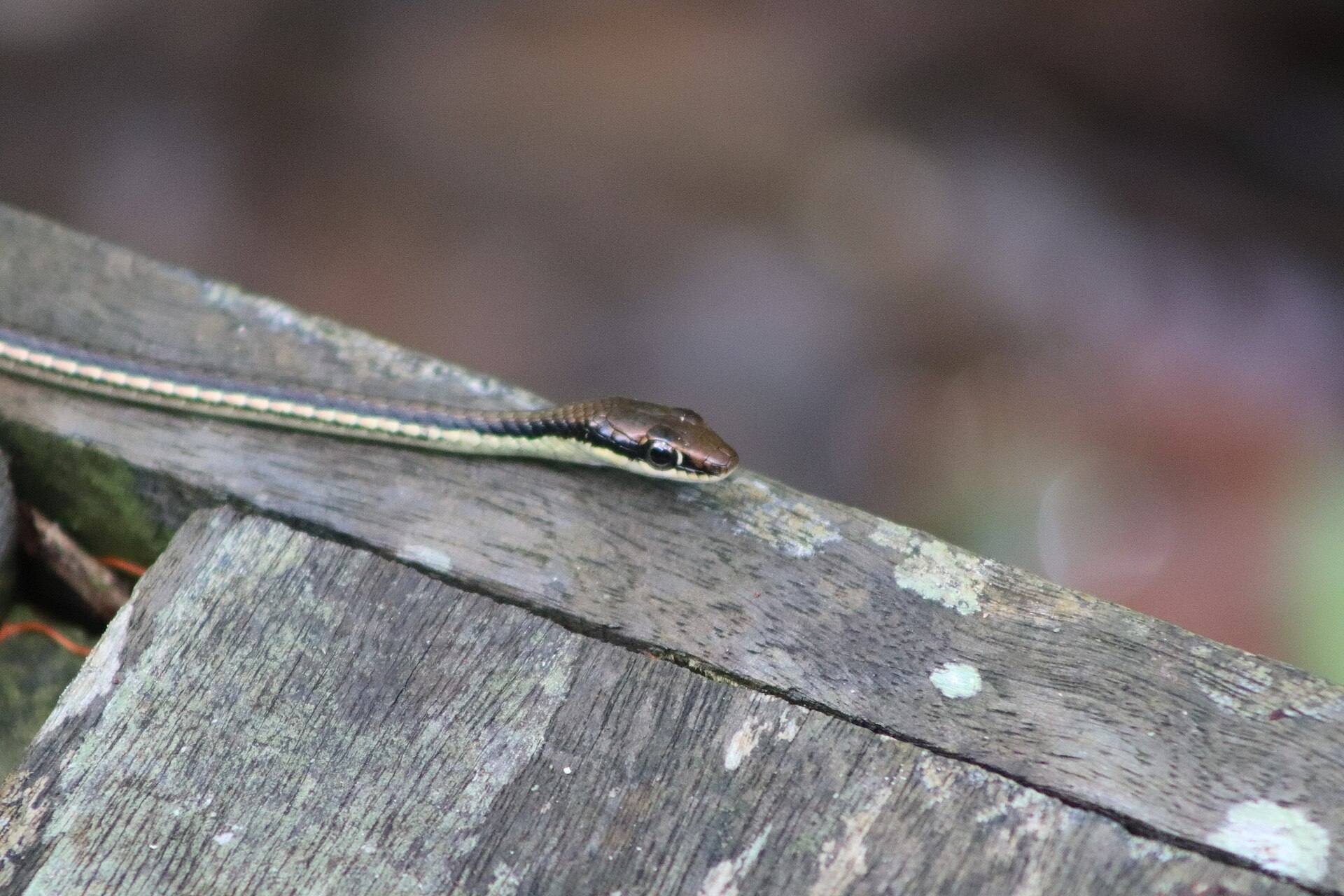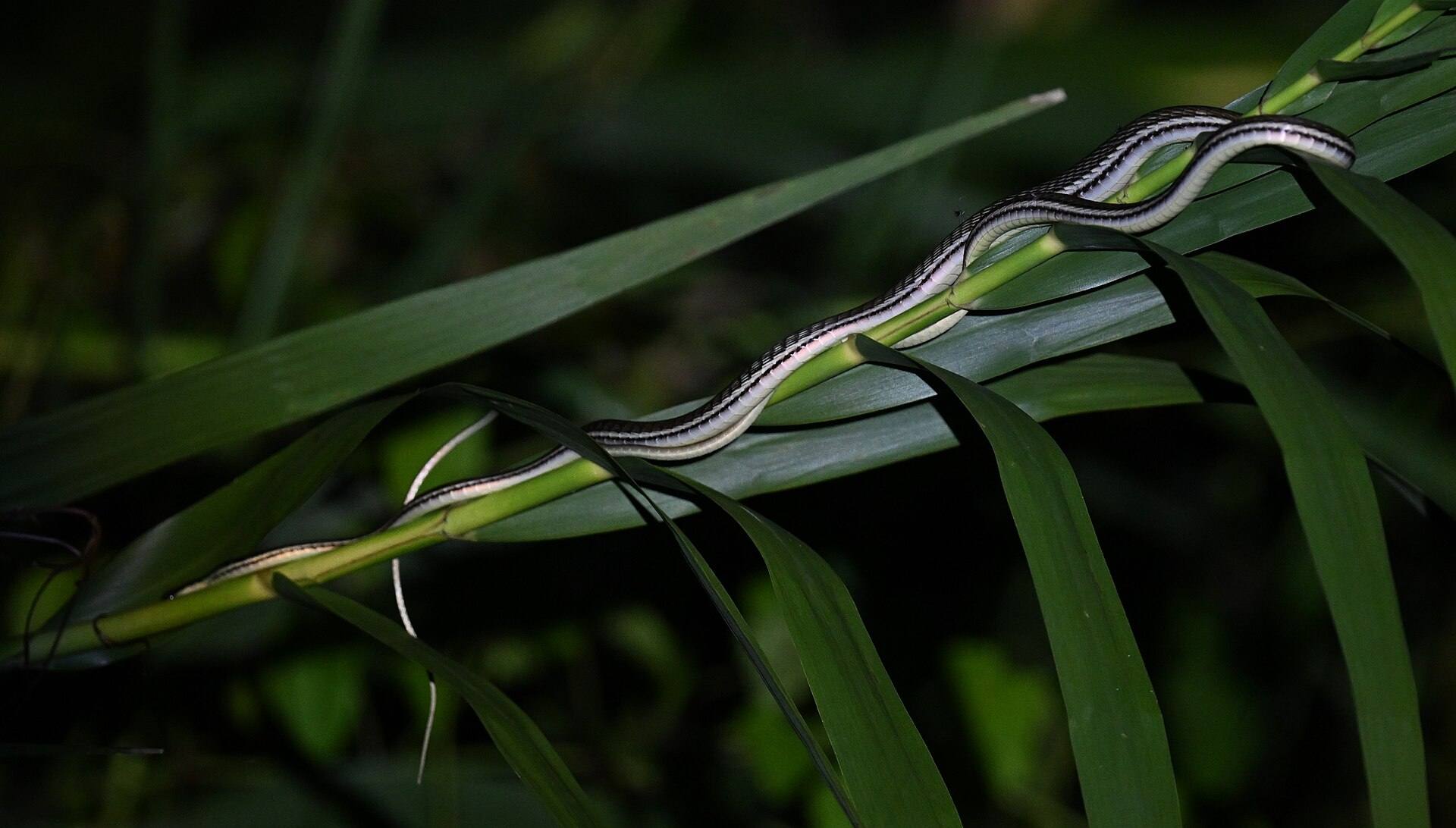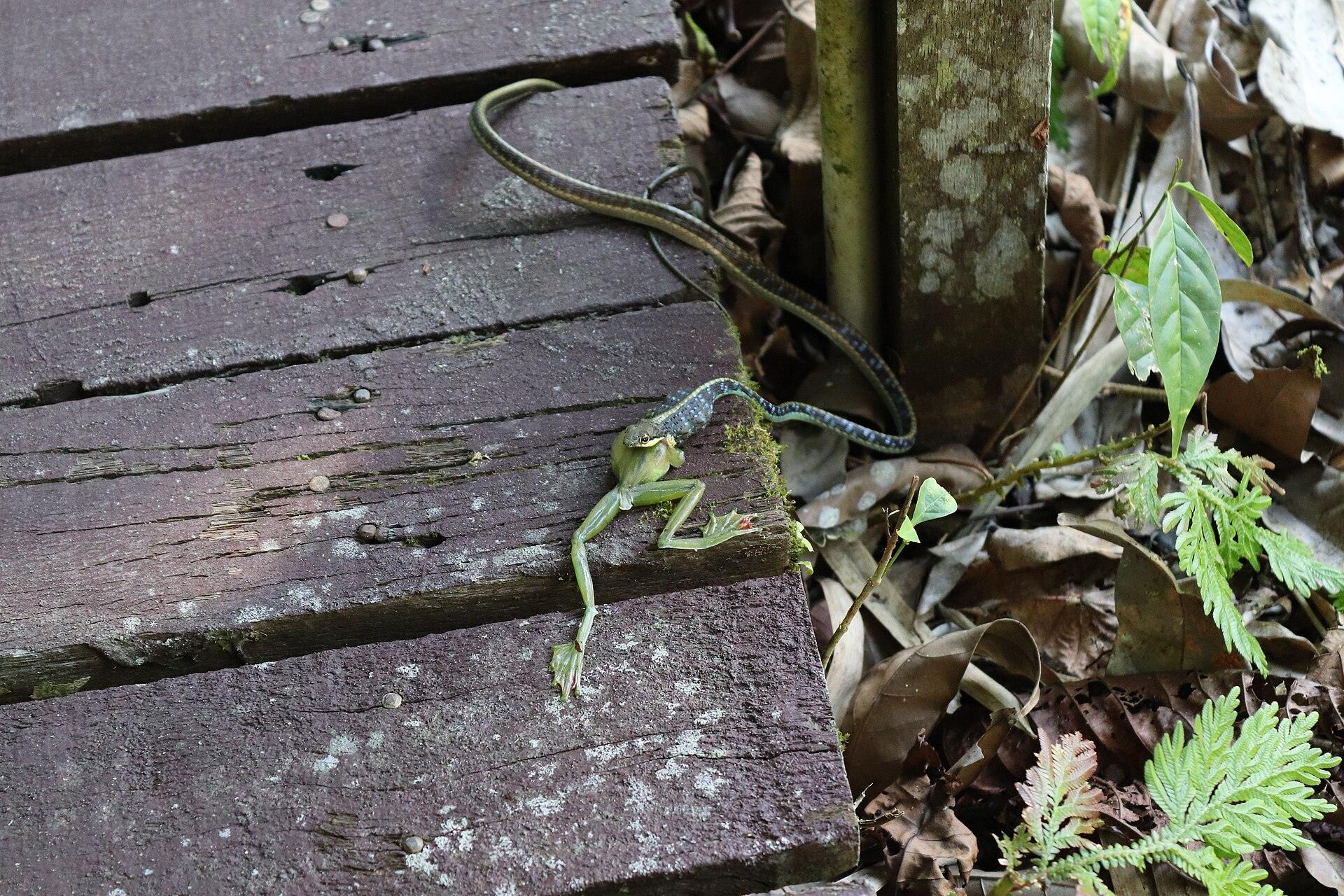
Every species of python, the king cobra and the common cobra are protected animals in Sarawak. Catching, keeping or selling one without a licence is an offence, and the Forest Department Sarawak's published list of protected animals gives the penalty as a fine of RM10,000 and one year's imprisonment.
Which snakes are on the protected list
The list is Part II of the First Schedule to the Wild Life Protection Ordinance, 1998 (Chapter 26). Its reptile section, as the Forest Department reproduces it, names three snake entries:
- King cobra (Ophiophagus hannah), local name ular tedung
- Common cobra (Naja naja), also listed as ular tedung
- All pythons, entered as every species of Python
They share the section with monitor lizards, the estuarine crocodile, the false gharial and soft-shelled turtles. Part II also ends with a catch-all: every animal in Appendices I and II of the Convention on International Trade in Endangered Species (CITES) is protected unless it already appears in Part I. The department's note on the king cobra says the species is protected under CITES because the skin trade threatens it.
No snake is in the stricter class. The reptiles on the totally protected list, Part I of the same schedule, are the marine turtles, two terrapins, the Niah cave gecko and the earless monitor lizard.
What a licence covers, and what the two classes cost
For a protected animal, the Forest Department says a licence is needed to keep it as a pet, hunt, kill, capture, sell, import or export it, or to possess any recognisable part of it. Licences are issued at the department's discretion and, in general, are not issued for trade.
Totally protected animals may not be kept at all without written permission from the Controller of Wild Life. The department's page puts the penalty for most of those species at RM25,000 and two years' imprisonment, rising to RM50,000 and five years for a rhinoceros.
Selling is restricted for all wildlife, listed or not. The department's notice on the ordinance says it is illegal to sell or buy any wild animal or wildlife product hunted from the wild, and names skins among the banned goods. A shop needs a licence and stock from a licensed farm.
Who issues the licence now
The official pages do not agree on this point, and neither Forest Department page carries a date. The department tells applicants to contact their nearest Forest Department office. Sarawak Forestry Corporation (SFC) describes the ordinance on its licensing portal as enforced by the corporation, and the forms on offer there are SFC's:
- Form 1 to hunt, capture, sell or possess any protected or non-protected animal
- Form 3 and Form 4 to keep a wild animal farm or a commercial wildlife farm
- Form 10 to import or export wildlife
SFC restated its position in an official statement on 17 April 2026, issued over a poster advertising a crocodile-catching contest: capturing, handling or harming wildlife without its authorisation is an offence under the ordinance.
What the department says about the snakes found near houses
Three species notes sit alongside the protected list.
- Reticulated python: normally found in jungle close to water, but also in rural and urban settlements. Its prey runs from chickens, pigs and goats to small deer. The note says adults are dangerous to handle.
- Black spitting cobra: nocturnal, about 1.5 metres long, and able to spit venom at the eyes from up to two metres. It feeds on rodents around settlements and sometimes strays into gardens and houses looking for food. The department's instruction is that it should be left strictly alone.
- King cobra: found in open hilly areas and jungle, and mostly on the ground although it climbs well.
The list and the notes do not line up exactly. The schedule names the common cobra, Naja naja; the note filed with it describes the black spitting cobra. The pages do not explain the difference.
Who to tell when a snake is in the house
None of these pages says which agency will come to remove a snake. What SFC has published is general advice, given in a notice of 30 March 2026 about a hornbill handed in at its Miri office: do not disturb, catch or approach the animal, and report any wildlife incident to the authorities at once. The corporation describes its own approach as rescue, rehabilitate and release.
SFC's office list gives a toll-free line, 1800-88-2526, a corporate office at Kota Sentosa in Kuching, and regional offices at Semenggoh, Miri, Sibu and Bintulu. It lists none in Sri Aman or the other southern divisions outside Kuching, so the toll-free number is the corporation's published route from there.
Sources
- Protected Animals of Sarawak - Official Website of Forest Department Sarawak — Sarawak Government
- Totally Protected Animals of Sarawak - Official Website of Forest Department Sarawak — Sarawak Government
- PAS_King cobra (Ophiophagus hannah) - Official Website of Forest Department Sarawak — Sarawak Government
- PAS_Black Spitting Cobra - Official Website of Forest Department Sarawak — Sarawak Government
- PAS_Reticulated Python - Official Website of Forest Department Sarawak — Sarawak Government
- New Wild Life Law - Official Website of Forest Department Sarawak — Sarawak Government
- Sarawak Forestry Corporation — Sarawak Forestry Corporation
- Announcement - Sarawak Forestry Corporation — Sarawak Government
- News - Sarawak Forestry Corporation — Sarawak Government
- Our Offices - Sarawak Forestry Corporation — Sarawak Government