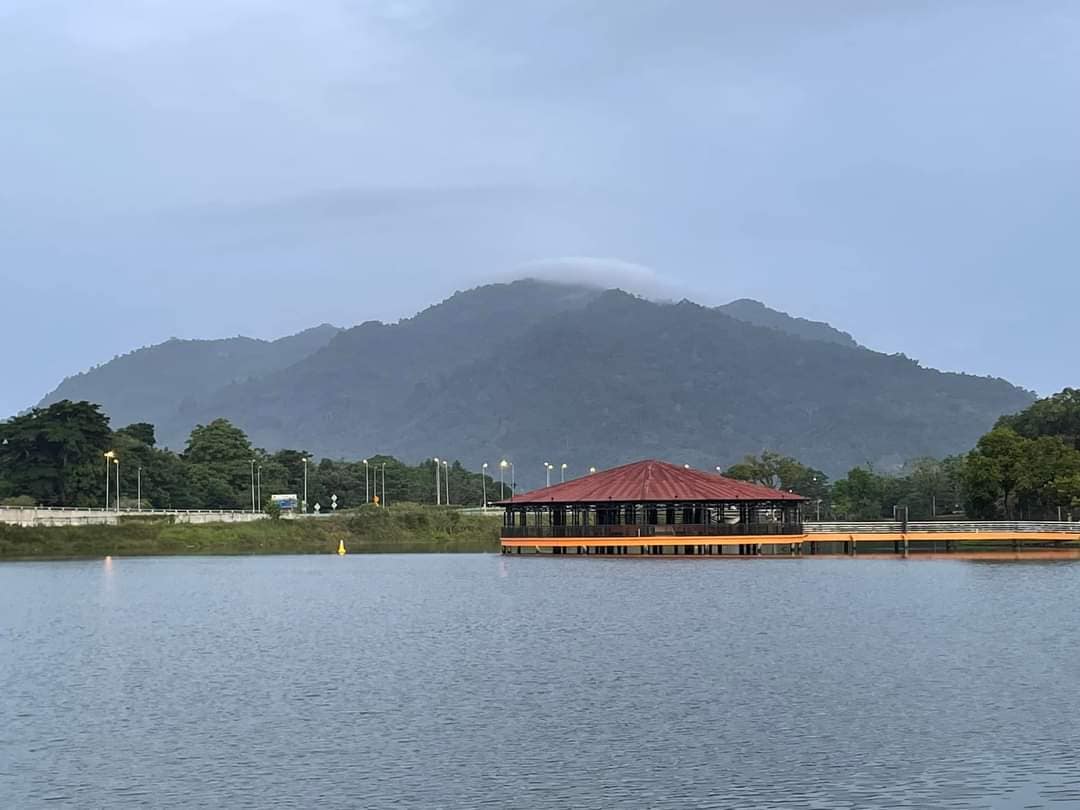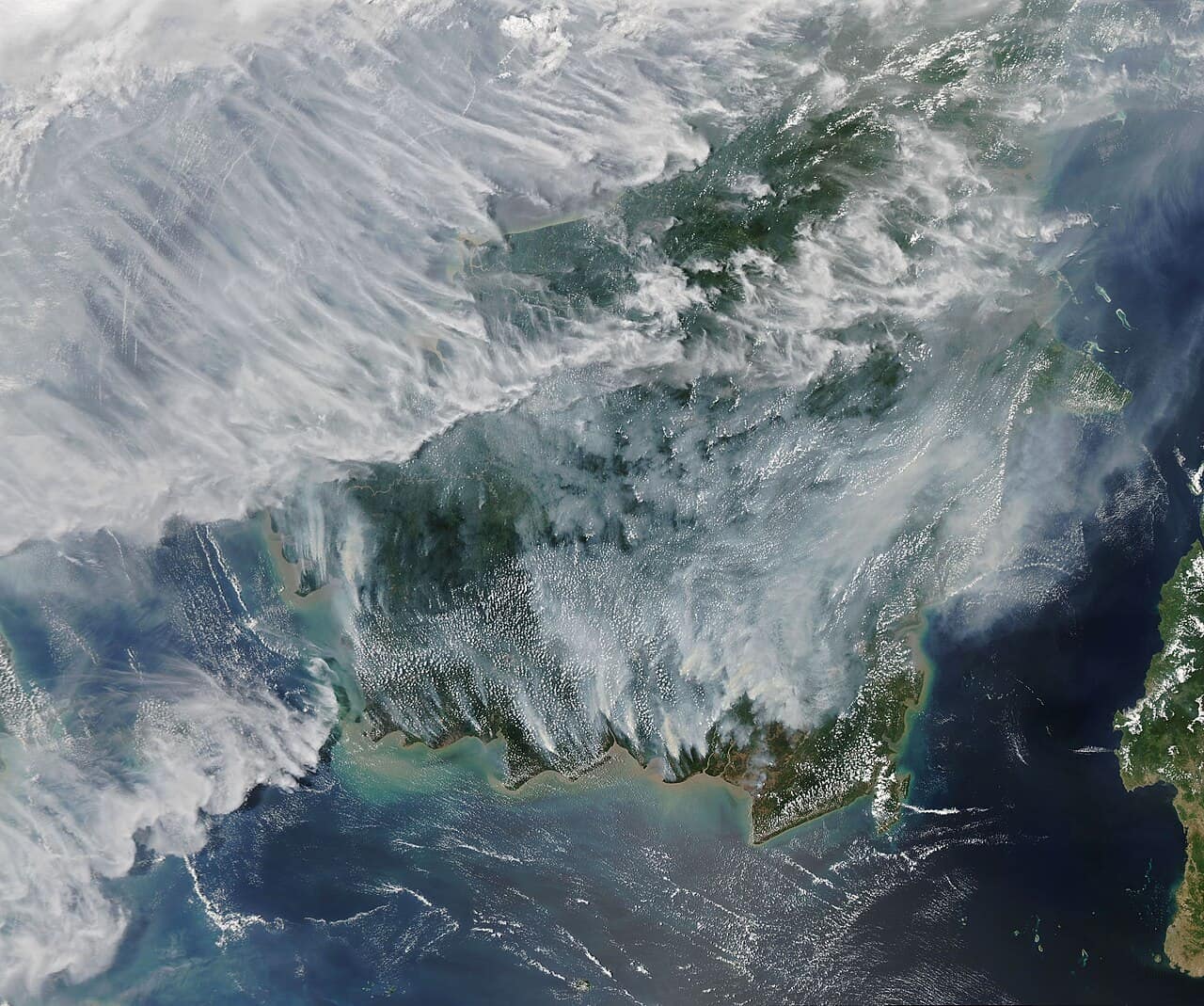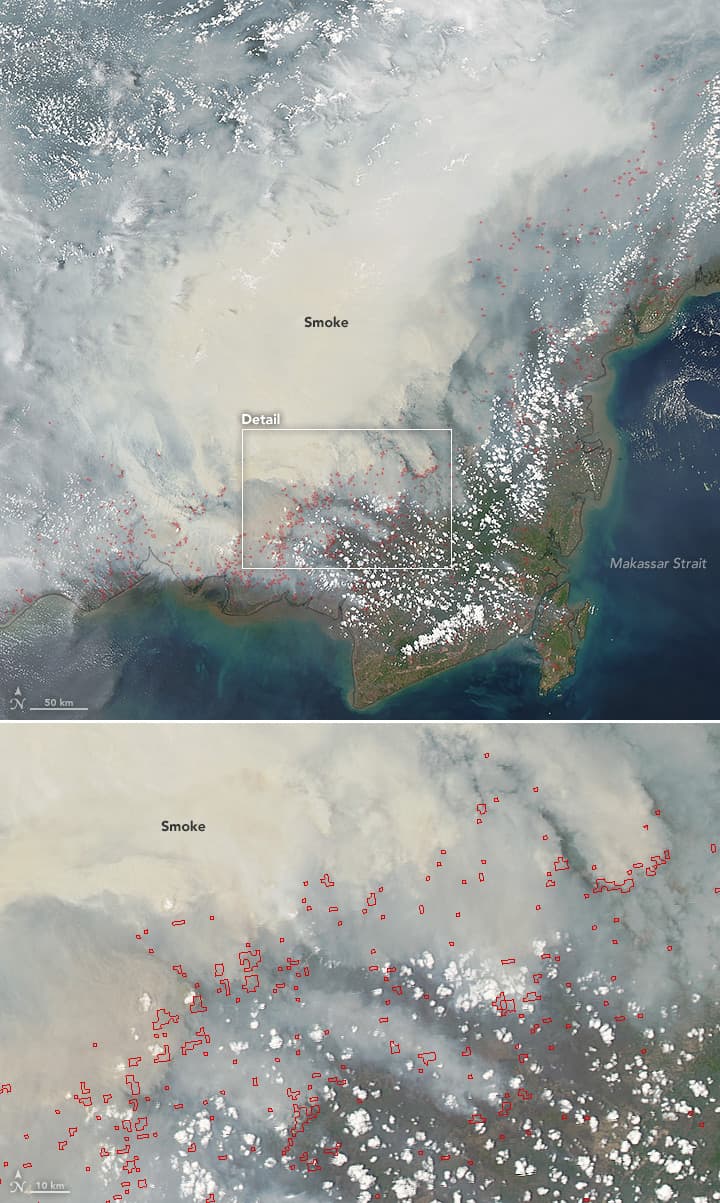
Smoke haze reaches Sarawak most years somewhere between June and September, and the August 2026 episode has been one of the heavier ones. This is the practical half: how to read the numbers, what genuinely helps, and what does not. It is general public-health information gathered from official advisories, not medical advice — if you have a lung or heart condition, your own doctor's instructions come first.
Reading the API
The Air Pollutant Index is the official Malaysian measure, published hourly per station by the Department of Environment. Learn the bands once and the daily news becomes readable:
| API | Band | What it means for you |
|---|---|---|
| 0-50 | Good | Normal life. No restrictions. |
| 51-100 | Moderate | Fine for most people. Very sensitive individuals may notice it. |
| 101-200 | Unhealthy | Health Ministry advice is to reduce outdoor and physical activity. Children, older people and anyone with asthma or heart disease should take it seriously. |
| 201-300 | Very unhealthy | Everyone should limit outdoor exertion. This is the level at which schools tend to close. |
| 301-500 | Hazardous | Stay indoors. Emergency measures apply above 500. |
One threshold worth memorising: 100. The Ministry of Health's standing advice is that once your area goes above it, cut back on physical exertion and time outdoors, and keep cutting back as it climbs.
Masks: which ones do anything
Haze is made of fine particulate matter — PM2.5, particles under 2.5 micrometres across, small enough to travel deep into the lungs and into the bloodstream. What matters is whether a mask filters at that size and whether it seals to your face.
- N95, KN95, FFP2 respirators — these are the ones designed to filter fine particles, and they are what health authorities point to during haze. They only work with a proper seal: over the bridge of the nose, under the chin, no gap at the cheeks. Facial hair breaks the seal.
- Surgical masks — designed to catch droplets, and loose at the sides. Better than nothing on a short walk to the car, but do not treat one as protection on a bad day.
- Cloth masks and a wet towel — essentially no protection against PM2.5. A damp cloth over the face is a folk remedy, not a filter.
A respirator is for getting from A to B outdoors. It is not a licence to go for a run.
Keeping the indoor air liveable
Most of a haze day is spent indoors, so indoor air is where the real gains are.
- Shut the house up. Windows and doors closed on the worst days, particularly overnight, when smoke often settles heaviest.
- Air conditioning on recirculate. Do not run it on fresh-air intake; you are pulling the haze inside. Clean or replace the filters — a clogged filter during a smoke episode is doing nothing.
- An air purifier with a genuine HEPA filter makes a measurable difference in one closed room. Size it to the room and run it in the bedroom overnight if you only have one.
- Stop adding smoke indoors. No cigarettes inside, go easy on incense and mosquito coils, and use the extractor fan when frying — you are adding fine particles to air that already has too many.
- Damp-mop rather than sweep. Sweeping and dry dusting lift settled particles straight back into the air.
In the car, the same rule: windows up, air conditioning on recirculate.
Who needs to be more careful
Some people feel a haze day much harder than others: young children, whose lungs are still developing; older adults; pregnant women; and anyone living with asthma, COPD, chronic bronchitis or heart disease. Outdoor workers — construction crews, farmers, delivery riders — take the highest cumulative exposure simply because they cannot go inside.
If you use a reliever inhaler, keep it on you and make sure it is not empty before the smoke arrives. Pharmacies across Kuching, Samarahan and Serian reported inhalers and masks selling out fast during the August 2026 episode, which is an argument for stocking up early rather than on the worst day.
Symptoms that mean it is time to see a doctor rather than wait it out: breathlessness that is new or worse than your usual, chest tightness or pain, wheezing that a reliever does not settle, a persistent cough, or dizziness. For children, watch for fast or laboured breathing and unusual drowsiness.
Beyond the lungs, the common complaints are sore, gritty eyes and a raw throat. Preservative-free artificial tears help the eyes, drinking more water helps the throat, and contact-lens wearers usually do better switching to glasses while the smoke is around.
Everyday life on a haze day
- Move exercise indoors. Hard exercise outdoors means breathing several times as much air, and therefore several times as much smoke. This is the single easiest thing to change.
- Expect school closures. Sarawak's Education Department orders closures by district when readings climb, and home-based learning follows. Announcements come through the department and the schools directly.
- Do not add to it. Open burning is an offence under Section 29A of the Environmental Quality Act 1974, carrying up to RM1 million in fines, up to five years' imprisonment, or both. Burning garden waste during a haze episode is both illegal and directly harmful to your neighbours.
- Check before you commit to an outdoor plan rather than after. Readings swing hour to hour, and a wet afternoon can change the picture completely.
If you are travelling to Sarawak
A haze episode does not usually cancel a trip, but it does change what a trip is worth doing.
Reduced visibility is the practical problem. Flights can run late, and the small rural airstrips are the most exposed — the flights into Mulu and Bario depend on visual conditions in a way that jets into Kuching and Miri do not. Build slack into any itinerary that hangs on a single connecting flight.
The trips that lose the most are the view-dependent ones: summit walks, Santubong, sunrise from Canada Hill in Miri, a long river journey up the Rejang. There is little point climbing for a horizon that has been erased.
What holds up well is everything indoors or underground. The Borneo Cultures Museum, the Sarawak Science Centre, the Cat Museum, the caves at Bau, and a long, unhurried eating tour of Kuching's kopitiams — laksa in the morning, kolo mee after — are all unaffected by what the sky is doing. Our complete Sarawak guide has the rest.
Where to check
The Department of Environment's APIMS portal carries the official API, station by station, updated hourly. It is the reading that decisions are made on.
Our own haze watch page shows modelled fine-particle levels for ten Sarawak towns as a quick between-updates check — a trend indicator, not the official figure. For the background on what is burning and why, read The haze over Sarawak.